Durham, Chapel Hill and the Triangle
Fire Damage Restoration in Durham, NC
Our local fire restoration professionals clean soot, treat smoke odor and dry water left after fires in Durham and Chapel Hill. Call and describe the damaged area and what you see from outside.
- Calls answered 24/7
- Smoke, soot and water cleanup
- Serving Durham and nearby
A kitchen fire's greasy film or a fireplace's dry soot gives Durham NC Fire Damage a starting point for your call in Durham. Wiring fires can leave smoke inside walls; a space heater, grill or garage fire may leave scorched surfaces, odor and water from the hoses. Each source changes the inspection and the work that follows. Homeowners, renters and business owners in Durham, Chapel Hill, Carrboro, Cary and Raleigh can call about the residue left behind, even when the full extent isn't visible from outside.
Call Durham NC Fire Damage to connect with one of our local fire restoration partners for guidance. Describe the room that burned and anything you can see from outdoors; you don't need to identify every affected material. Your technician inspects after the fire department clears the building, performs the restoration and explains the scope, price and scheduling before work starts. Call now to discuss fire damage and restoration, from smoke-marked belongings to wet floors and openings needing protection.
What Each Kind of House Fire Leaves Behind
The room that burned helps explain the residue left behind and the cleanup needed. Each source below links to services for that residue.
Kitchen
A stove, oven, small appliance or range hood fire can leave greasy film on cabinets and ceilings, with odor beyond the kitchen. The fire department handles the fire itself.
Electrical
Wiring, outlet, panel and appliance cord fires can send smoke and soot through wall spaces into distant rooms. The fire department must clear the building before restoration begins.
Fireplace and chimney
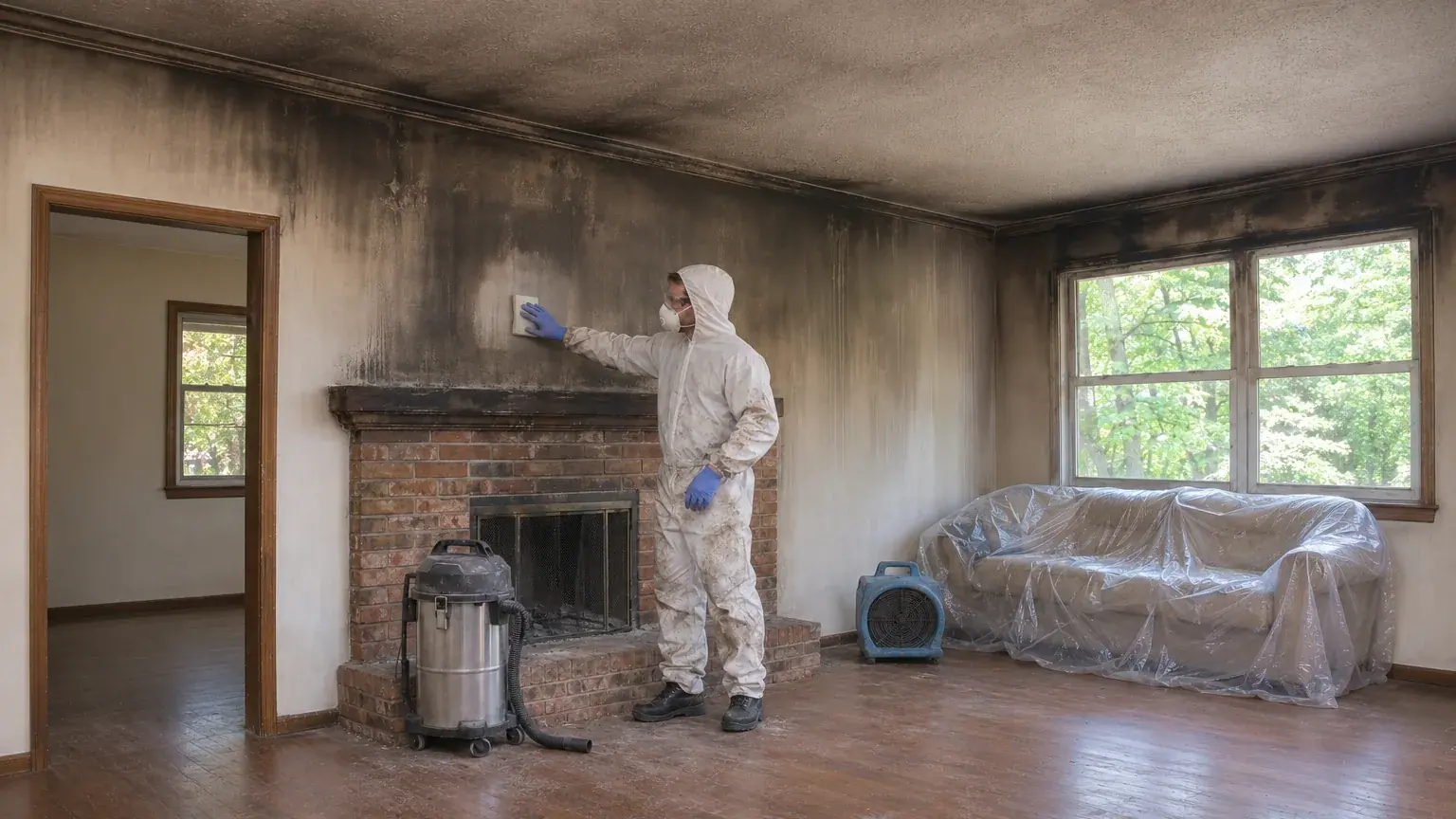
A fireplace, chimney or flue fire can leave fine dry soot across the mantel and brickwork. Smoke odor and powdery deposits may extend into rooms around the hearth.
Space heater
A space heater or heating appliance fire can scorch nearby surfaces while leaving smoke film and odor elsewhere. Water from firefighting hoses adds wet flooring and belongings to the cleanup.
Grill or garage
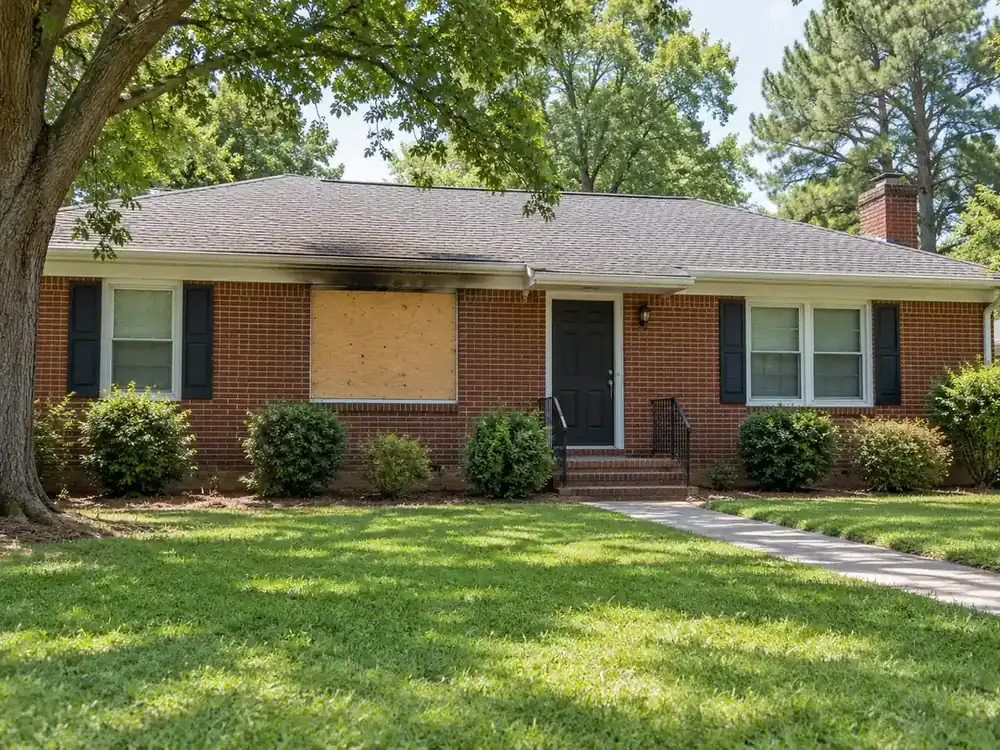
A grill, deck or garage fire can send heavy smoke into an attached house. Burned openings may need boarding, while water from the hoses leaves floors wet.
Fire, Smoke and Water Services in Durham
Dry soot, kitchen film and hose water call for different work. A local restoration professional handles cleaning, odor treatment, drying and damaged openings around Durham and Chapel Hill.
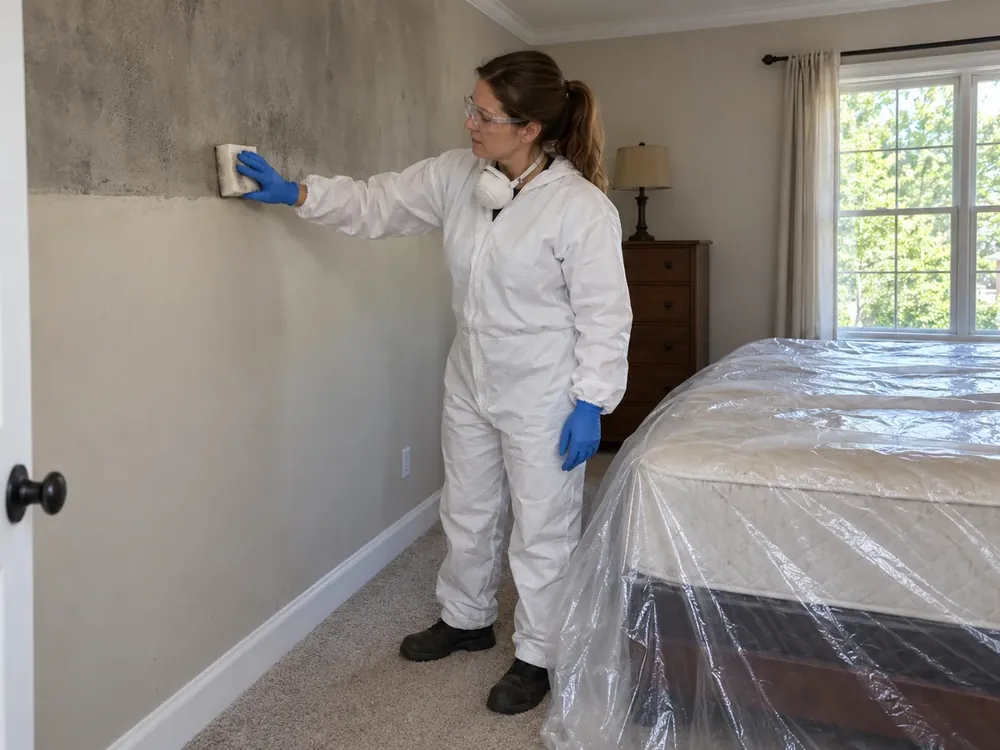 Smoke damageSmoke film beyond the burned room calls for surface cleaning, attention to affected belongings and treatment of lingering odor.
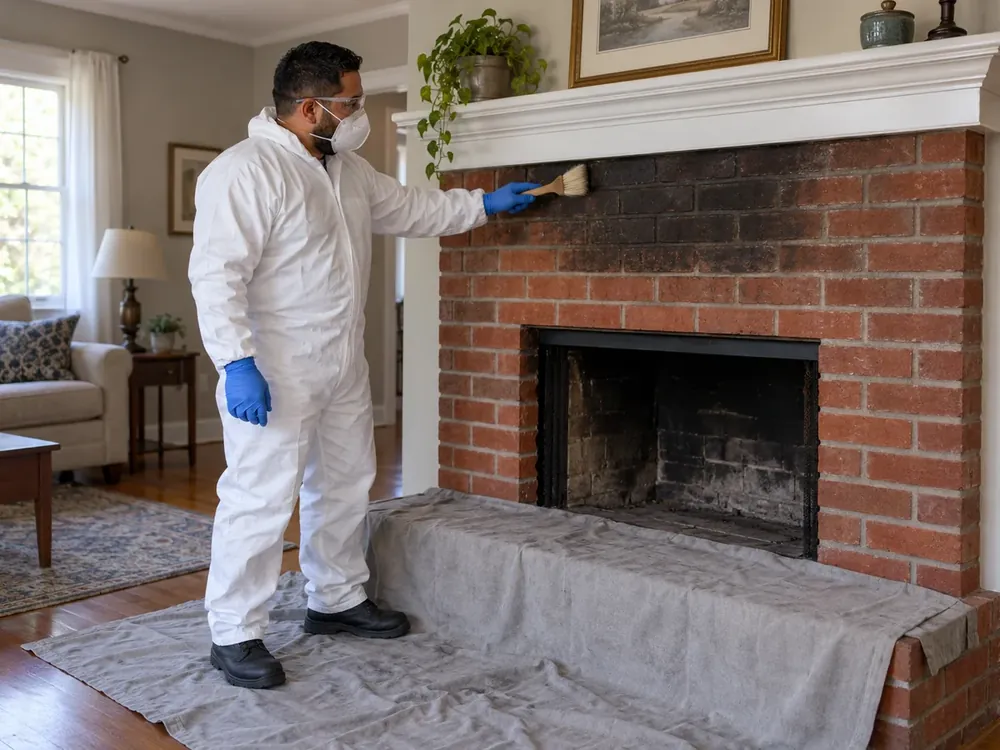 Soot removalFireplace soot and black dust from electrical fires are assessed and cleaned from affected surfaces and fixtures.
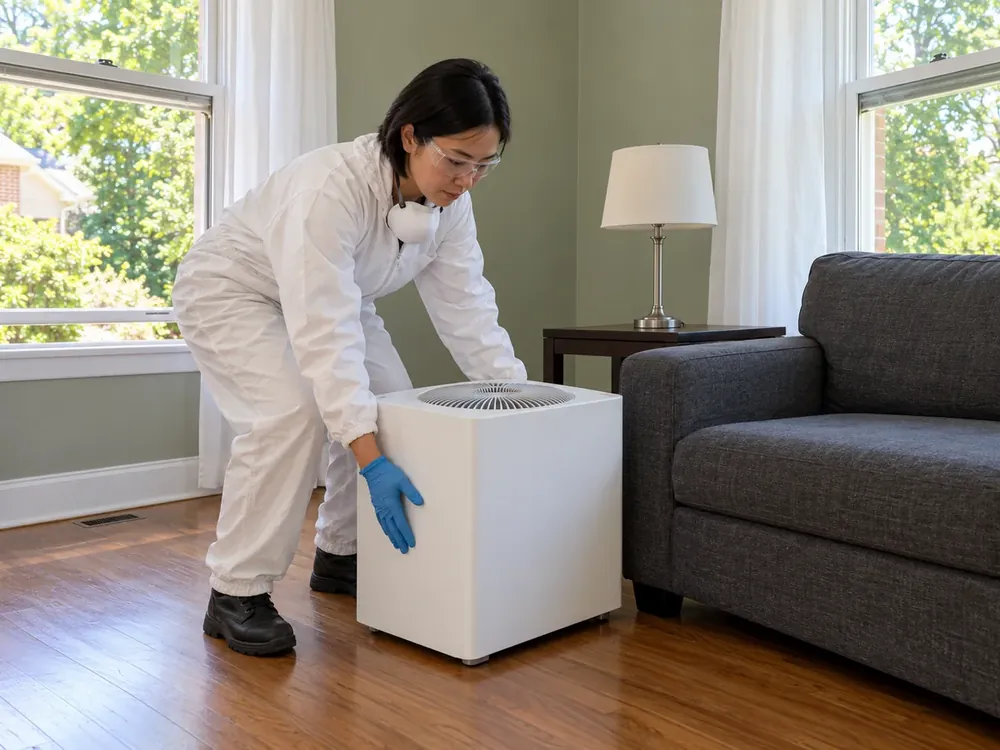 Smoke odorSmoke smells held in carpet, upholstery and room surfaces are traced to their source and treated after cleaning.
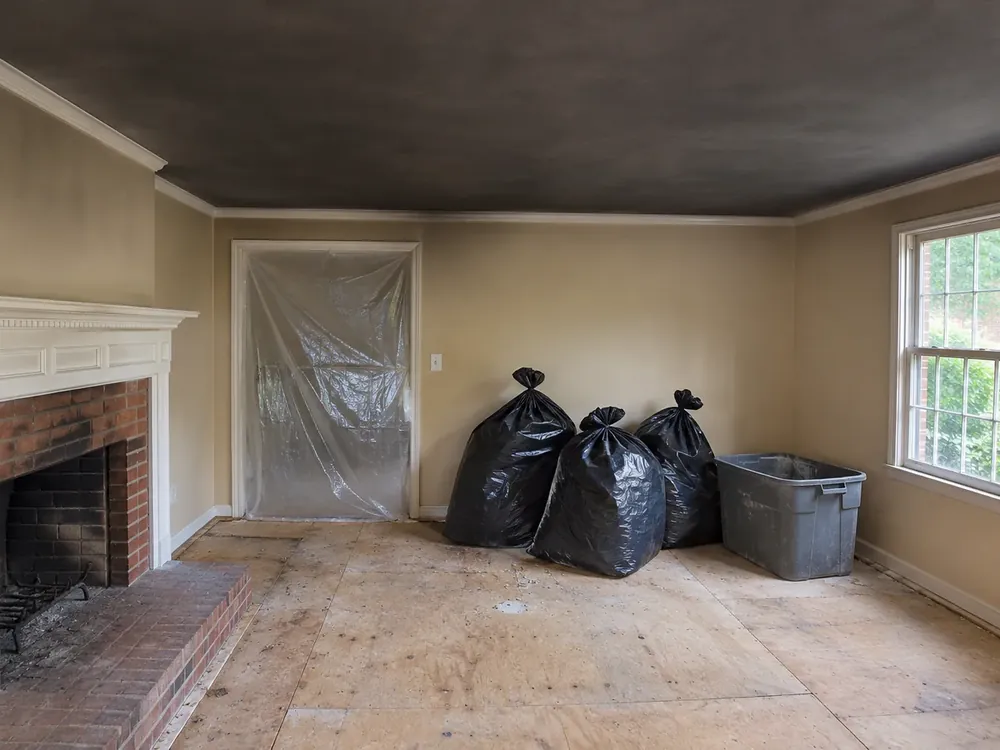 Fire damage cleanupBurned cabinets and soaked room debris are assessed, removed and hauled away so cleaning and the next stage can proceed.
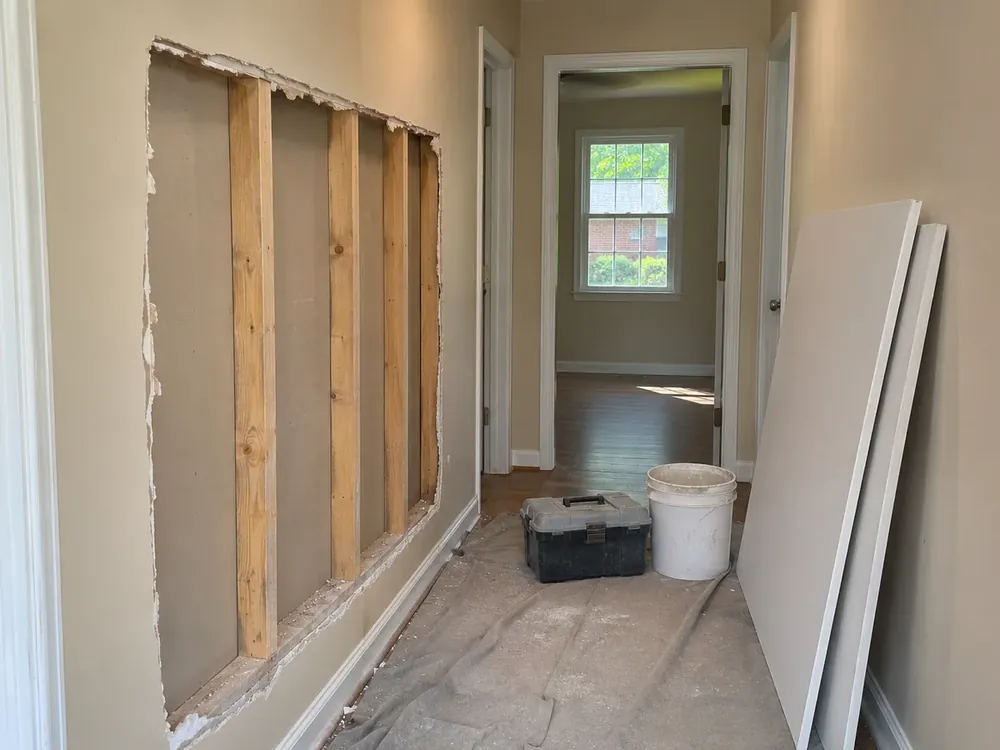 Fire damage repairScorched walls and ruined finishes get assessed so restoration work prepares the room for rebuilding by your chosen builder.
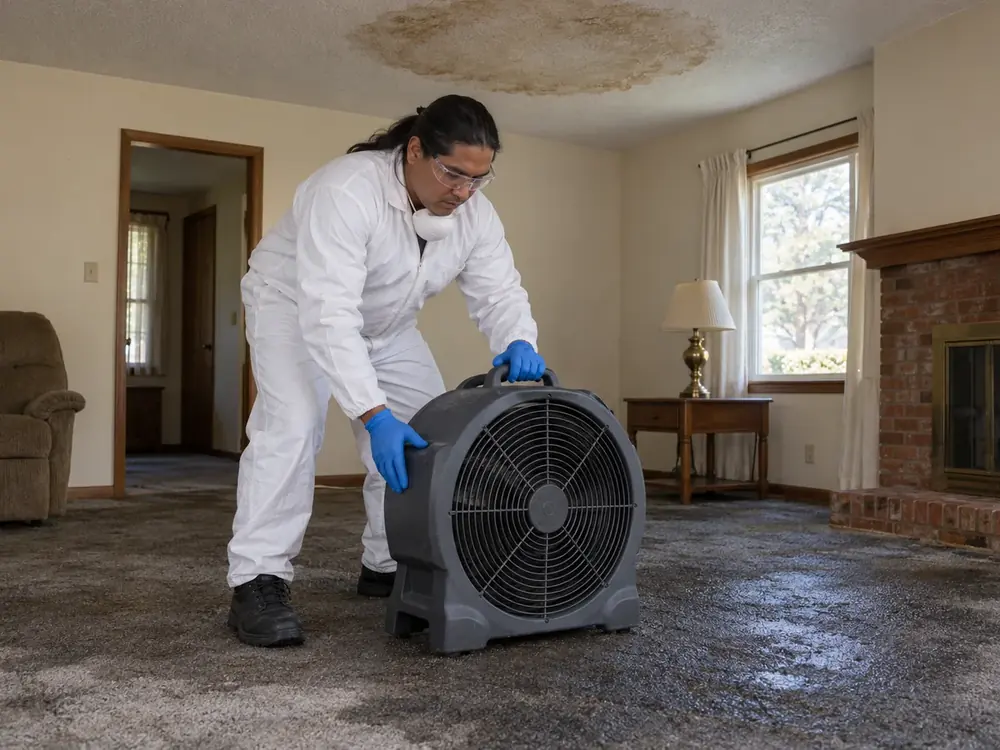 Fire and water damageHose water beneath a burned room calls for water removal, measured drying and soot cleanup; call about the affected rooms.
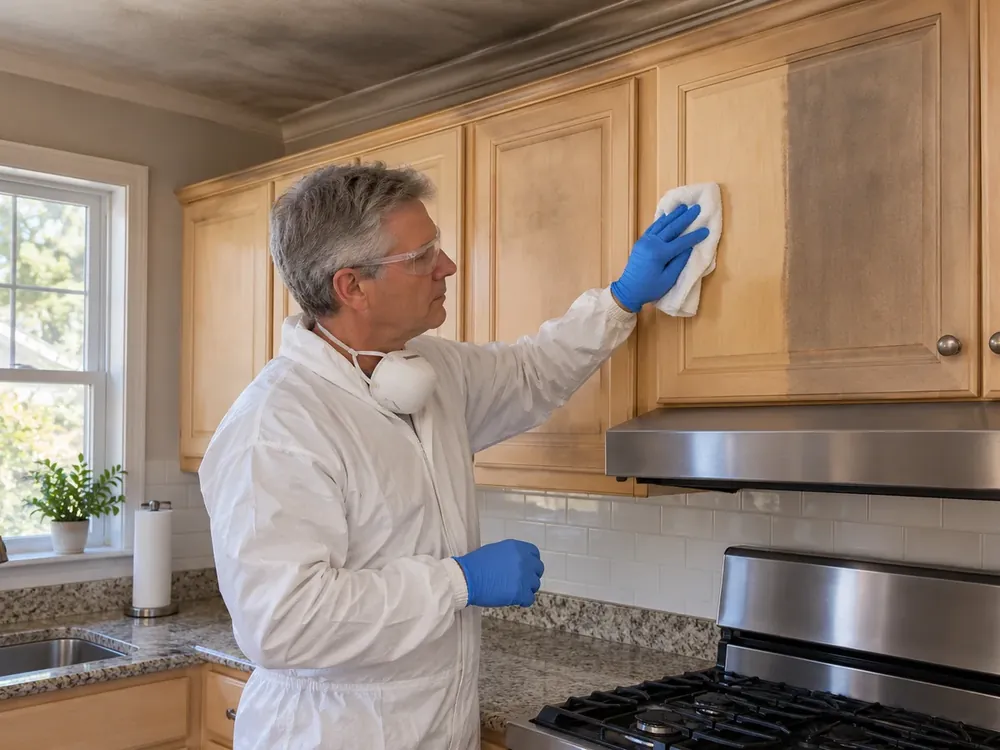 Kitchen fire cleanupGreasy soot above a stove needs surface cleaning and an odor assessment; call about the kitchen and adjoining rooms.
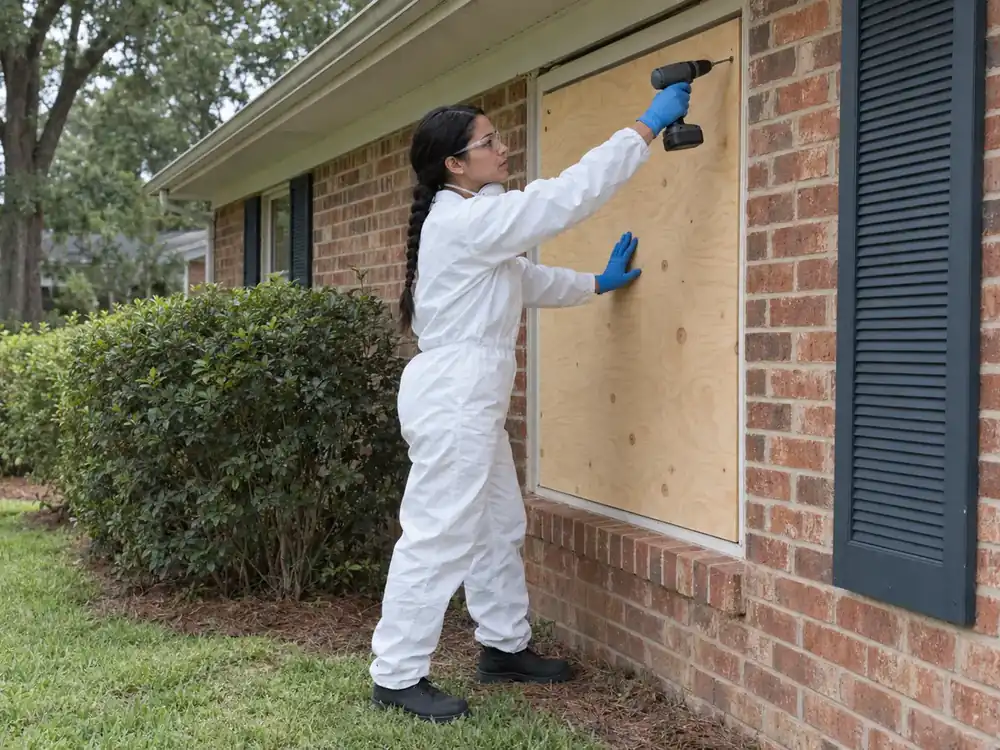 Board-up and tarpingGarage doors and roof openings damaged by fire get temporary coverings while permanent repairs are planned; call about exposed areas.
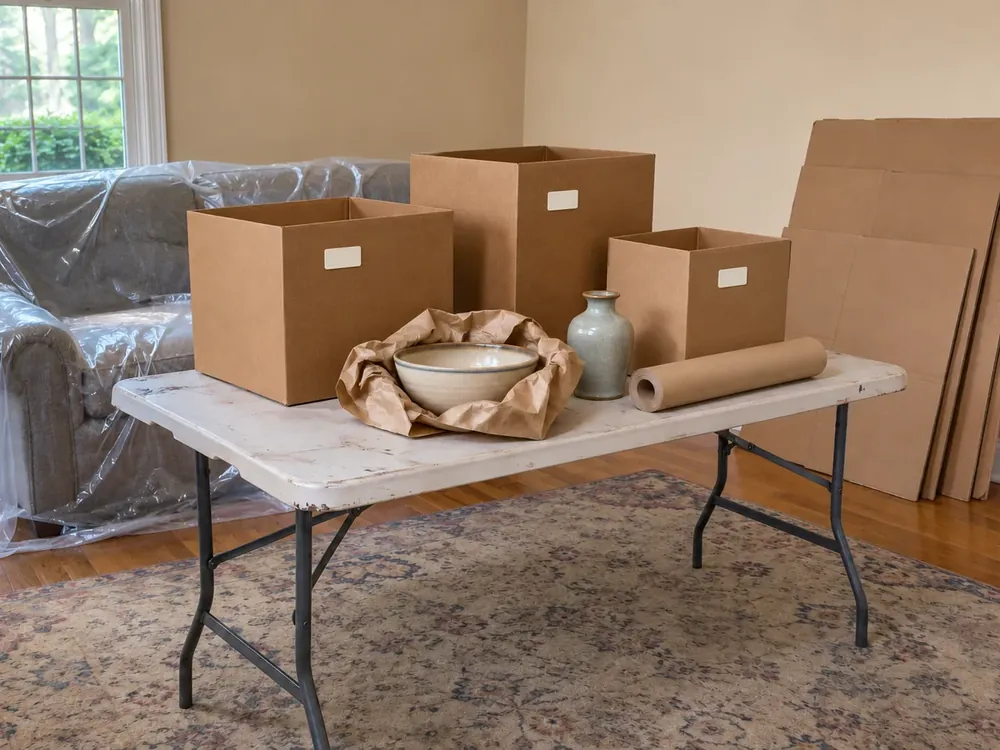 Contents and pack-outGreasy kitchenware and smoke-marked belongings receive a cleaning assessment and organized packing when rooms need clearing; call to discuss the items.
Kitchen residue, smoke-marked rooms and wet floors also affect restaurants, shops, offices, apartment buildings, churches and schools. Call the same number for commercial fire damage restoration and describe the damaged area.
Why Durham and Chapel Hill Households Call
- Calls answered 24/7. Soot on a wall or a lingering smell can leave plenty to discuss after the fire is out. Calls are answered around the clock.
- A connection to the person handling restoration. Durham NC Fire Damage connects your call to a local restoration professional who performs the work and discusses scheduling with you.
- The damaged area shapes the plan. A kitchen's sticky film needs a different approach from dry fireplace soot. The room that burned helps focus the conversation from the start.
- The work is explained first. Your technician describes the affected materials, proposed scope and price before beginning. You hear how cleaning, drying and any separate rebuilding fit together.
- Nearby towns covered. Households from Durham and Chapel Hill to Raleigh can call for fire, smoke and water cleanup.
From Your Call to the Finished Cleanup
- Describe the damaged area and visible residue on the call: a kitchen ceiling, a garage doorway or wet floors, for example. Share observations from outside without entering for a closer look.
- Your call reaches a local restoration professional in our network, and you talk through the property, the affected rooms and what comes next.
- After fire department clearance, your technician examines burned materials, smoke deposits and water damage. The scope and price are explained before work begins.
- Cleaning, odor treatment, drying and other agreed work follow the inspection. At completion, your technician explains what was done and identifies any work left for a builder.
Local Conditions That Shape Fire Cleanup
Smoke and wet materials need an inspection after the fire scene is released. Entry still waits for permission from fire authorities, as the Red Cross advises after a home fire. For emergencies, call 911. Restoration work follows that emergency response.
Fireplace and space heater residue also belong in the conversation during colder months: the North Carolina Office of State Fire Marshal identifies winter as the peak period for heating fires. Say which heating appliance was involved so your technician can plan the inspection around its location.
Hose water and damp belongings add drying work. Your technician checks moisture as part of the job. Disconnected gas needs professional attention; Ready NC says never to turn gas back on yourself. Call about cleanup while utility work is being arranged.
First Steps, Cost Factors and Restoration Stages
- After a house fireFind the first steps for staying outside, describing the damage and arranging help after a house fire.
- Fire damage costSee how affected rooms, residue, wet materials and belongings shape the scope and cost of restoration.
- Restoration stepsFollow the work from the first call through inspection, cleanup, drying and the handoff for rebuilding.
Fire Cleanup Across Nearby Towns
From kitchen smoke in Durham, Chapel Hill and Carrboro to wet floors in Morrisville, Cary, Apex and Holly Springs, fire cleanup is available for homes and businesses. Raleigh, Wake Forest, Rolesville, Mebane and Graham are also part of the service area. Call and describe the room or building that burned.
The Triangle service area pages bring the towns together with their restoration services. A fireplace's dry soot, garage smoke or a greasy kitchen ceiling gives your technician useful details wherever the job is located.
Durham, Chapel Hill and Carrboro
Morrisville, Cary, Apex and Holly Springs
Raleigh, Wake Forest and Rolesville
Mebane and Graham in Alamance County
Fire Damage FAQs
What does a fire restoration visit include?
A fire restoration visit includes examining burned materials, smoke residue, affected belongings and water left by firefighting. Your technician builds the work around those findings, with cleaning, odor treatment, drying or protection for damaged openings as needed. The inspection also separates restoration work from repairs that need a builder.
Who decides when a fire-damaged home can be entered?
Fire authorities decide when a fire-damaged home can be entered, as the Red Cross explains in its recovery guidance. Durham and Chapel Hill residents should remain outside until that clearance is given. You can call about restoration from outdoors and describe the fire's location without going inside to inspect rooms or collect belongings.
Why does the smoke smell remain after the flames are out?
Smoke odor can remain because residue is still present on surfaces or in absorbent materials. A kitchen fire may leave deposits well beyond the stove, including curtains and furniture in adjoining rooms. Your technician looks for the remaining sources of the smell and explains which materials need cleaning, odor treatment or replacement.
What does professional soot removal involve?
Professional soot removal involves identifying the deposit and surface, then choosing a cleaning method suited to both. Powdery soot around a fireplace behaves differently from sticky kitchen residue. Your technician tests the approach, cleans affected surfaces and checks the result, rather than treating every dark mark as the same kind of damage.
Is water from firefighting included in restoration?
Water left by firefighting is part of fire and water restoration when it affects floors, walls or belongings. The inspection checks where the water traveled, including areas below the burned room. Your technician explains water removal, drying and any materials that need replacement as part of the proposed work.
What changes the cost of restoring a fire-damaged house?
The number of affected rooms, residue type, water damage, access and condition of belongings change the cost of restoration. A greasy kitchen ceiling and soaked flooring involve different tasks. Your technician explains the work and price after inspecting the property, including where cleaning ends and separate building repairs begin.
Smoke, soot or hose water after a fire in Durham or Chapel Hill: call now and describe what the fire left behind.
Call (919) 343-0660