
The short answer
- Greasy residue from a kitchen fire can increase cleaning labor because sticky deposits need different treatment from loose soot.
- Smoke reaching bedrooms, closets and ductwork expands the affected area and the number of materials needing attention.
- Upholstery cleaning, damaged insulation, equipment use and a final odor recheck all influence the scope and price.
Residue, Rooms and Materials That Shape Cleanup Costs
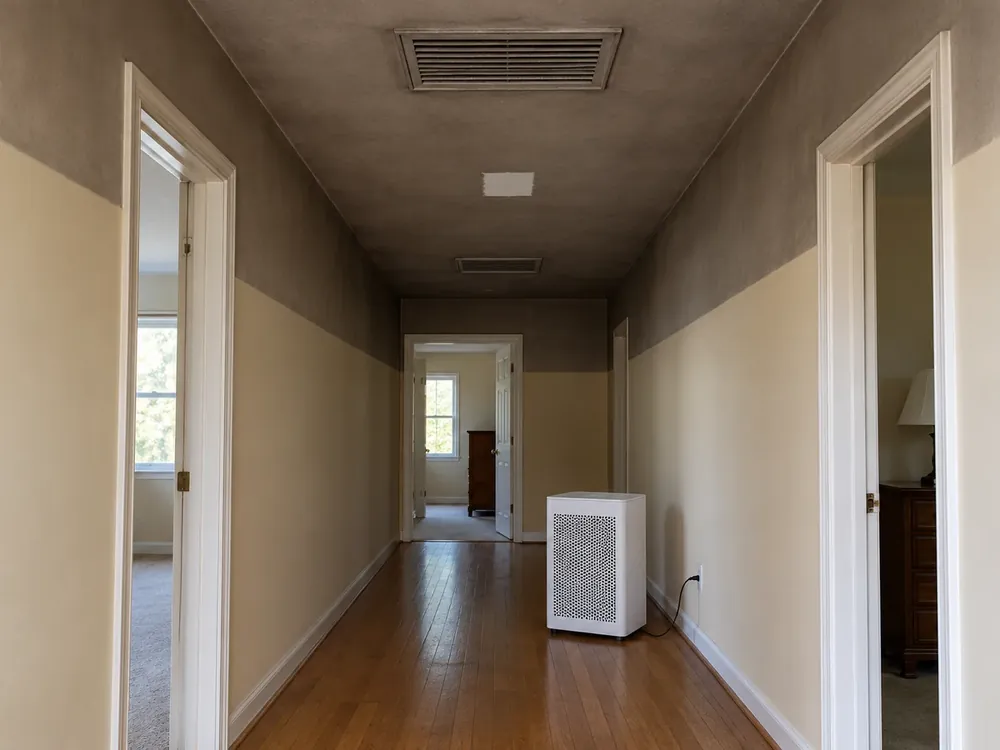
Kitchen smoke that reaches several rooms creates a broader cleaning job than residue limited to the cooking area. The room that burned helps your technician understand the deposits, but the assessment follows where smoke settled, including places without visible scorch marks.
Fire Conditions and Entry Clearance Come First
Flames, remaining heat, heavy smoke or an injured person mean leave and call 911; the American Red Cross's fire guidance puts getting outside and calling for help first. Stay outside until the fire department permits entry, as the Red Cross recovery page advises. Don't return for belongings, documents or pets.
If Piedmont Natural Gas is your gas provider, call Piedmont at 800.752.7504 or call 911 from a neighbor's house or somewhere away from the smell of gas, and do not return until a Piedmont technician or emergency responder says the area is safe. Keep away from a downed line and assume it is live; report it to 911 and the electric utility. Neither situation calls for household repairs.
Kitchen Film and Dry Soot Require Different Work
Sticky kitchen film can take more cleaning labor than loose deposits on an intact finish. Smoke damage cleaning cost reflects the residue, the surface beneath it and the treatment that surface tolerates. Dry soot still needs controlled removal; rubbing it into paint can add work rather than reduce it.
| Finding | Effect on the work |
|---|---|
| Greasy cabinet and ceiling film | Surface testing and residue removal add labor. |
| Odor in several closed rooms | More rooms and contents need assessment. |
| Deposits in ductwork | Access and specialist cleaning expand the scope. |
| Affected insulation or upholstery | Cleaning suitability and replacement need separate decisions. |
| Tall ceilings or restricted access | Reaching affected surfaces requires more setup. |
Soot removal cost also changes with texture and condition. Smooth, sound paint and rough masonry do not take identical treatment. Water from fire hoses may add drying work alongside smoke cleaning.
Smoke Spread Matters More Than Floor Area Alone
Smoke reaching closets, fabric furniture and concealed spaces increases the number of surfaces holding odor. A larger house offers more potential cleaning area, but total floor area alone doesn't establish the bill. Your technician checks which rooms were affected and which materials need treatment.
Insulation that holds residue may need replacement. Duct interiors require assessment rather than an assumption that every duct must be cleaned or replaced. Curtains, upholstery and other belongings are considered individually; material, damage and cleaning results shape the decision. Keep soot-dusted belongings in place for professional assessment.
Odor Treatment Includes Cleaning and a Recheck
Smoke odor removal cost depends on finding and addressing the materials releasing the smell. Fragrance can cover an odor temporarily while residue remains. Air cleaning supports the work, but equipment alone doesn't remove deposits inside fabric, on cabinets or behind damaged finishes.
The smoke odor removal service cost reflects equipment use, treatment of affected materials and a recheck after cleaning. A returning smell calls for another look at remaining sources rather than simply adding fragrance. The smoke odor removal page describes that part of the job.
The Scope Identifies Cleaning and Replacement Separately
Smoke damage cleanup cost is easier to understand when the scope separates surface work, belongings, air cleaning and replacement. One of our local fire damage partners will describe the proposed tasks and explain their price with you before work begins. Call now and share whatever you already know about the damaged area.
Heat- or water-exposed appliances and electronics should remain unused pending professional checks; the Red Cross's home inspection advice calls for checking appliances for water damage before use. Discard open food near the fire; the Red Cross also advises discarding food exposed to heat, smoke or soot. Leave damaged contents and debris for professional handling.