Durham, North Carolina
Kitchen Fire Damage Cleanup in Durham, NC
Our local restoration professionals clean greasy soot from cooking fires in Durham kitchens and address smoke in adjoining rooms. Call to describe the stove, appliance or hood, and your technician will take the cleanup planning from there.
- Calls answered 24/7
- Kitchen fire cleanup
- Serving Durham and nearby
Kitchen Fires Leave Different Cleanup Work
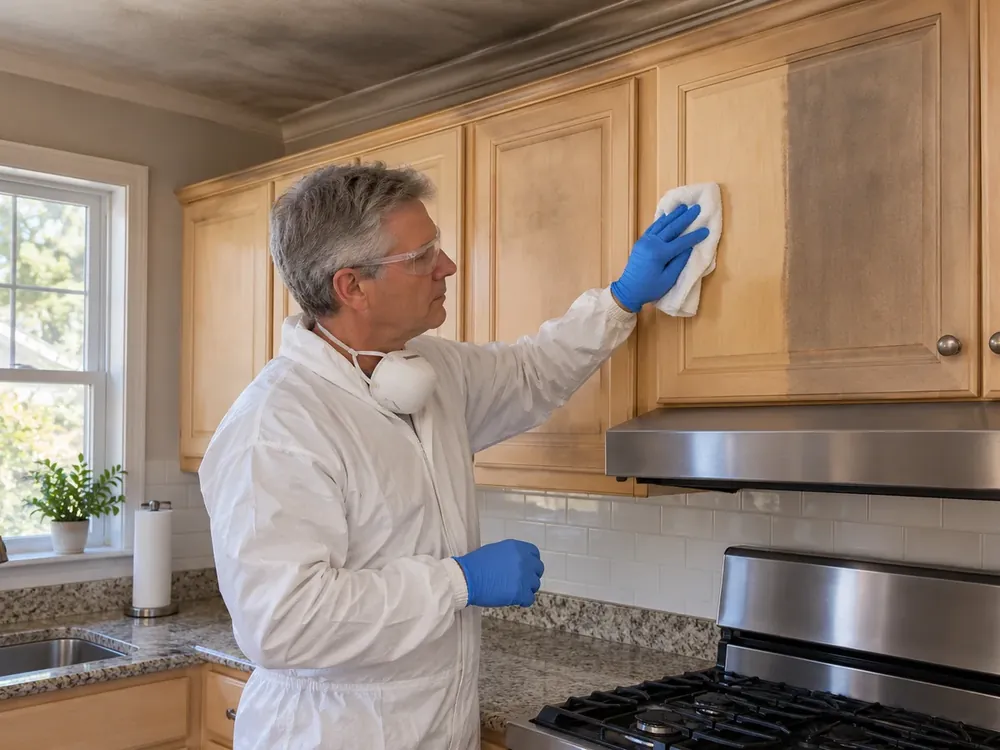
- Pan or stovetop. Burning oil can leave a sticky film above the burners, across cabinet fronts and on the ceiling. Kitchen fire smoke damage also calls for checking the adjoining rooms for residue and odor.
- Oven or toaster. Burned food and nearby materials can leave soot inside the appliance area and on surrounding surfaces. Your technician separates cleaning work from appliance checks and any heat damage requiring replacement.
- Microwave, air fryer or small appliance. A countertop fire may affect the backsplash, nearby drawer openings and items stored overhead. The cleanup plan accounts for what burned, including food, packaging or appliance parts.
- Range hood. Fire involving grease in the hood can leave heavy deposits around filters, cabinets and the upper wall. Cleaning addresses accessible residue while appliance and ventilation checks remain part of the plan before reuse.
Kitchen Fire Damage Cleanup Safety for Households
Safety first
A burned stove or smoky kitchen stays the fire department's responsibility while flames, heat or heavy smoke remain.
- Outside first. Leave and call 911 for an active fire; stay out until the fire department clears entry, consistent with Red Cross recovery advice.
- Food near the fire. Have food exposed to heat, smoke or soot discarded during cleanup, as the Red Cross advises. Don't enter to sort food left open or near the stove.
- Appliances and hood. Leave affected appliances and the range hood unused until professionally checked; Red Cross guidance calls for appliance checks after water damage. The house-fire first steps explain what to do while cleanup is arranged.
Signs a Cooking Fire Needs Professional Cleanup
- Sticky brown film across upper cabinet doors and the ceiling where smoke rose from the stove.
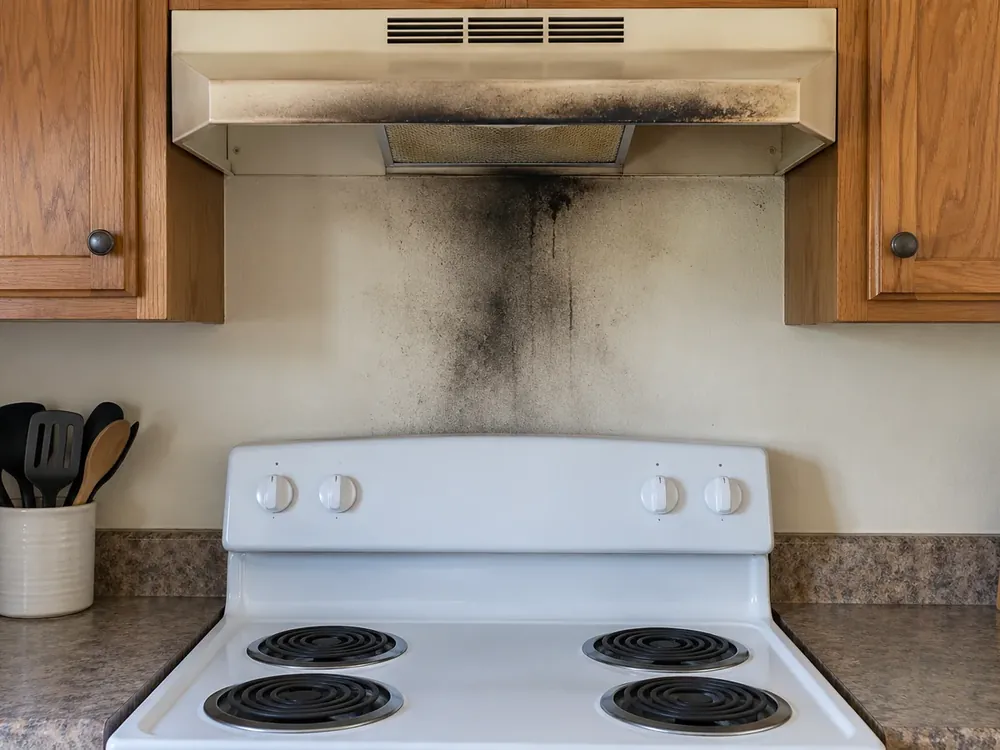
- Scorched cabinet fronts or a dark wall patch directly above the burners after a pan fire.
- A hood and visible filters darkened by greasy residue from the cooking area.
- Smoke odors reported in bedrooms or living spaces beyond the kitchen after the fire.
- Soot around an oven or countertop appliance, with nearby dishes and open food affected by smoke.
Kitchen Fire Damage Services for Durham Homes
- Greasy surfaces. Your technician assesses residue on cabinets, walls, ceilings, the range hood and appliance exteriors in Durham and Chapel Hill kitchens. Cleaning methods are selected for the finish and the material that burned.
- Cabinet interiors. Cupboards and drawers are checked for soot that reached stored items or settled inside openings. The scope includes affected interiors rather than stopping at the cabinet fronts.
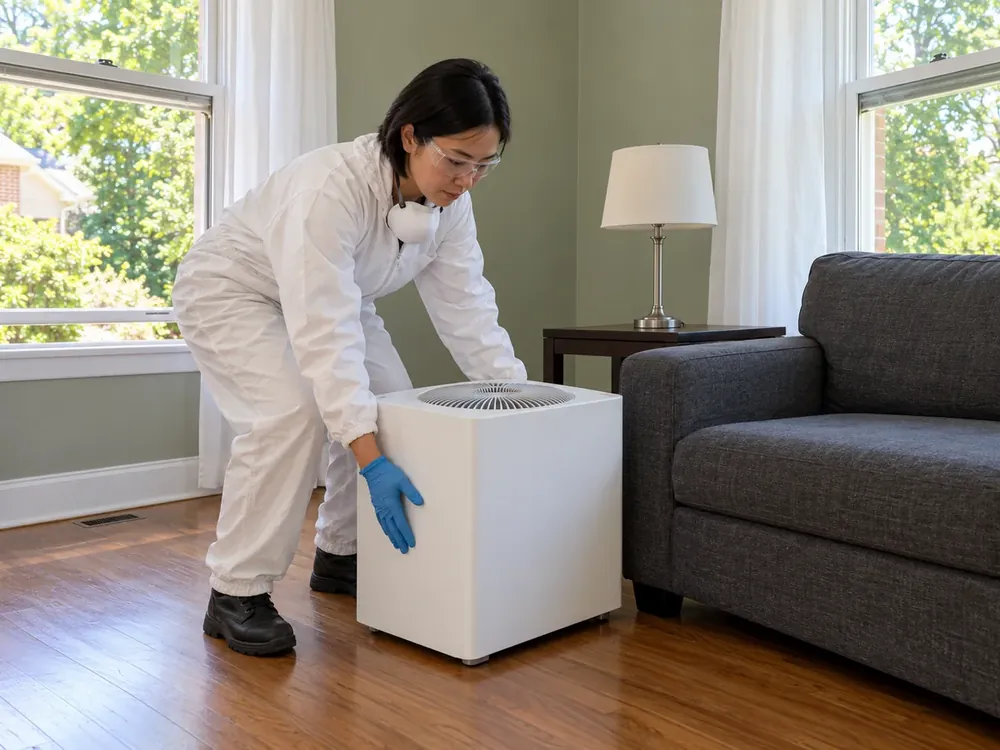
- Smoke beyond the kitchen. Odor work follows residue into adjoining rooms and affected belongings. Your technician explains where surface cleaning is needed and which materials may retain the smell.
- Water from firefighting. Wet flooring and surrounding materials are assessed alongside grease deposits. Water removal and drying are included where the fire left moisture as well as smoke.
- Kitchen contents. Dishes, cookware and other belongings are assessed for cleaning or disposal. Food exposed to the fire's heat, smoke or soot is identified for disposal rather than returned to use.
From a Kitchen Fire Call to Completed Cleanup
- Call about the cooking area or appliance. Share any residue or damage visible from outside without going in for a closer look.
- Your technician inspects after the fire department permits entry, checking greasy deposits, smoke spread, wet materials and affected contents.
- You receive an explanation of the cleanup scope and price before work starts, including the items being cleaned and any proposed removal.
- Cleaning and any needed drying follow the agreed plan; your technician explains completed tasks, appliance checks still needed and cabinet or building repairs left for a builder.
What Shapes Kitchen Fire Cleanup Costs in Durham
Grease residue, heat damage and smoke spread determine how much kitchen cleanup is involved.
- Deposits on cabinet faces, interiors, walls and ceilings.
- Smoke or water reaching rooms beyond the cooking area.
- Debris volume and access around damaged cabinets or appliances.
- House size, age and the finishes requiring careful treatment.
- Kitchen belongings and permits for subsequent rebuilding.
One of our local fire damage partners reviews the proposed scope with you and explains the price before starting. The cost factors for fire damage restoration also cover how contents and building damage affect the work.
Cooking Fire Cleanup Details for Durham Kitchens
Stovetop residue deserves attention in a Durham kitchen assessment: Durham County's fire safety guidance says most home cooking fires involve the stovetop. The NFPA identifies cooking as the leading cause of home fires nationally.
A gas odor near a burned range changes the immediate next step. If Enbridge Gas North Carolina is your gas provider, from a safe place call 911 and Enbridge at 877-776-2427. Cleanup and appliance reuse are separate matters: never turn the gas back on yourself. Call about the cleanup from outside and describe where cooking smoke spread.
More Cleanup for Grease Smoke and Contents
Kitchen Cleanup in Durham and Chapel Hill
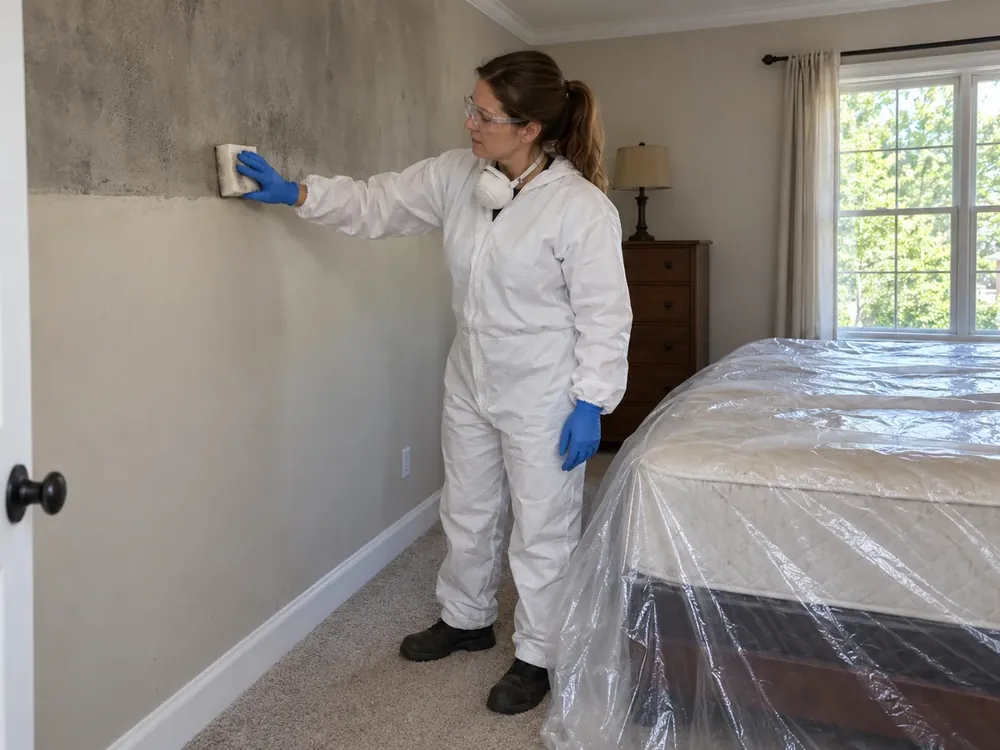
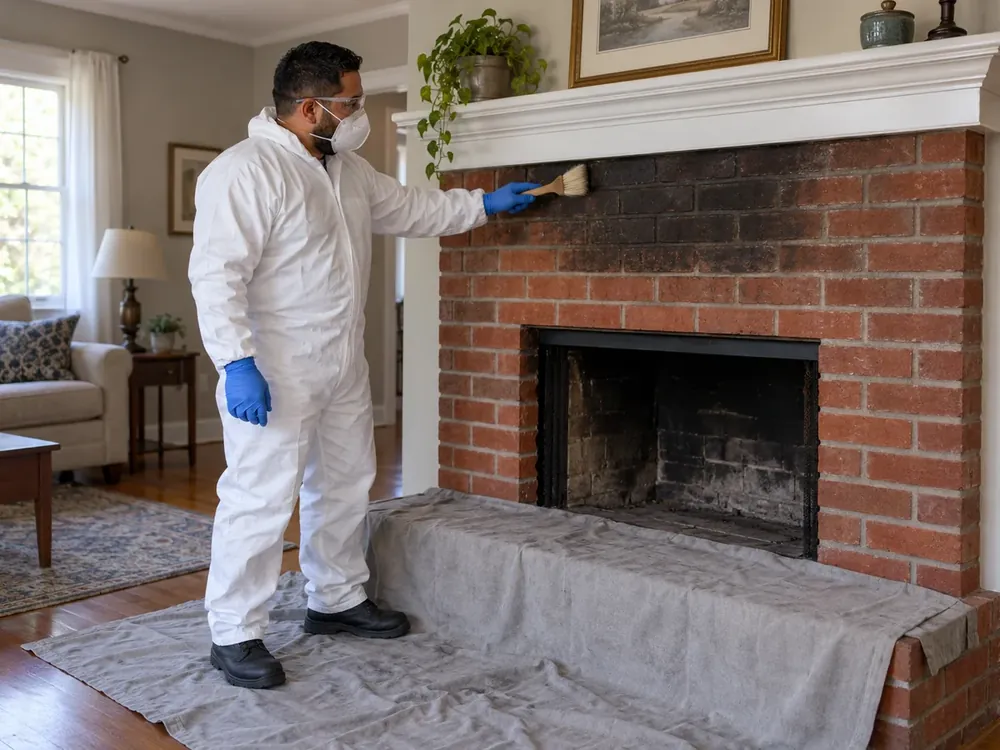
Kitchen cleanup serves homes across Durham and Chapel Hill, from residue above a single appliance to smoke that reached neighboring rooms.
Kitchen Fire Damage Cleanup FAQs
Does small kitchen fire damage still need a cleanup visit?
Small kitchen fire damage may need a visit from your technician when greasy soot, scorched surfaces or smoke odors remain. The patch above the stove doesn't show everything that reached cabinet interiors or nearby rooms. Call about the appliance involved and what you can see from outside; the assessment identifies cleaning, drying and any damaged materials.
What is included in kitchen fire damage repair after cleaning?
Kitchen fire damage repair replaces or repairs materials that cleaning cannot recover, such as charred cabinet sections or heat-damaged wall finishes. Your technician explains what remains after residue removal and drying. The written scope distinguishes the completed cleanup from building work so you understand what a builder still needs to address.
Can smoke travel beyond the kitchen after a pan fire?
Smoke from a pan fire can leave odor and residue outside the cooking area. Adjoining living spaces, stored fabrics and other belongings may need assessment even where flames never reached. Your technician follows the reported smoke spread and checks affected surfaces, then explains which rooms and items belong in the cleanup plan.
Can affected food and cookware go back into use?
Food exposed to heat, smoke or soot should be discarded, while cookware needs an individual assessment. A pot's material, surface condition and exposure affect whether cleaning is suitable. Leave sorting to the planned cleanup rather than entering for kitchen items, and describe any food or belongings near the fire during your call.
Who should I call during an emergency involving kitchen fire damage?
Call 911 from outside if flames, heat or heavy smoke remain, or someone needs emergency help. The fire department handles the active fire and decides when entry is allowed. You can also call about restoration from outside to describe the cooking source and arrange assessment of the greasy film, smoke and water left behind.
Greasy cabinets or smoke beyond the cooking area need attention; call to discuss kitchen cleanup and describe the damaged area.
Call (919) 343-0660