
Durham, North Carolina
Fire and Water Damage Restoration in Durham, NC
Our local restoration professionals remove hose water and dry fire-damaged rooms in Durham. Call about the room that burned and any water visible from outside, and your technician will plan the cleanup after the fire department clears entry.
- Calls answered 24/7
- Fire and water damage
- Serving Durham and nearby
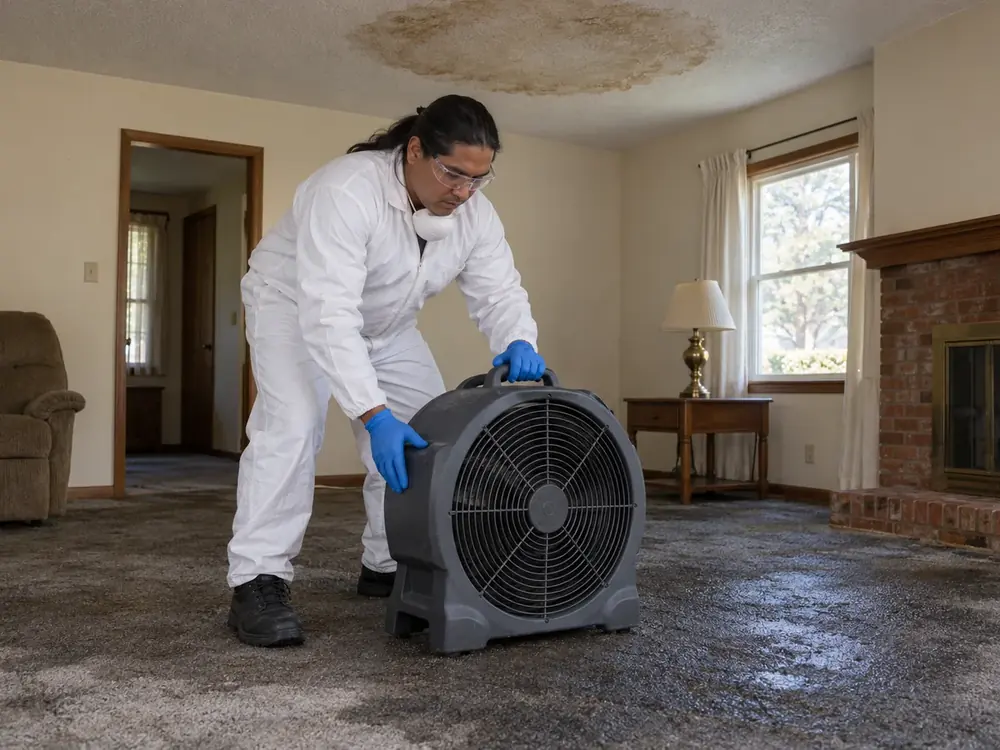
The Fire's Location Shapes Water Removal and Drying
- Roof or attic. Water from hoses can travel down through insulation and ceilings, leaving wet rooms below the burned roof. Your technician traces that downward path to plan extraction and drying across floors.
- An upstairs kitchen. A cooking fire two floors up may leave greasy soot near the stove and hose water on lower levels. The work separates residue cleaning upstairs from moisture checks along ceilings, walls and stairways below.
- Garage. Water directed through an outside opening can soak stored belongings and reach adjoining rooms or lower spaces. The assessment accounts for burned materials, wet storage and the route water took beyond the garage.
- Deck and grill. Water used on a deck fire may enter rooms beneath damaged decking or an exterior opening. Drying follows the wet materials indoors while repair planning addresses the damaged outside area.
Fire and Water Damage Restoration Safety Precautions
Safety first
Water below a burned room calls for keeping your distance; call 911 if anyone is hurt.
- Entry clearance. Remain outside until the fire department allows entry, following Red Cross recovery guidance; call 911 for flames, heat or heavy smoke.
- Water near electricity. Don't wade toward outlets or a wet panel. Leave household electrical equipment unused in wet areas.
- Downed lines. Keep away from a downed line, assume it is live, and report it to 911 and the electric utility; the first steps after a house fire cover other immediate concerns.
Signs Fire Cleanup Also Needs Water Removal
- Water running from a doorway or down exterior steps after hoses were used on the fire.
- Carpet reported soaked beneath the burned room, with wet padding identified during the professional assessment.
- Ceiling drips or sagging below the fire area, reported by firefighters or visible from a cleared doorway.
- Swollen floor edges and trim along the route hose water followed through the building.
- Damp odors mixed with smoke, or water reported in a basement or crawlspace after firefighting.
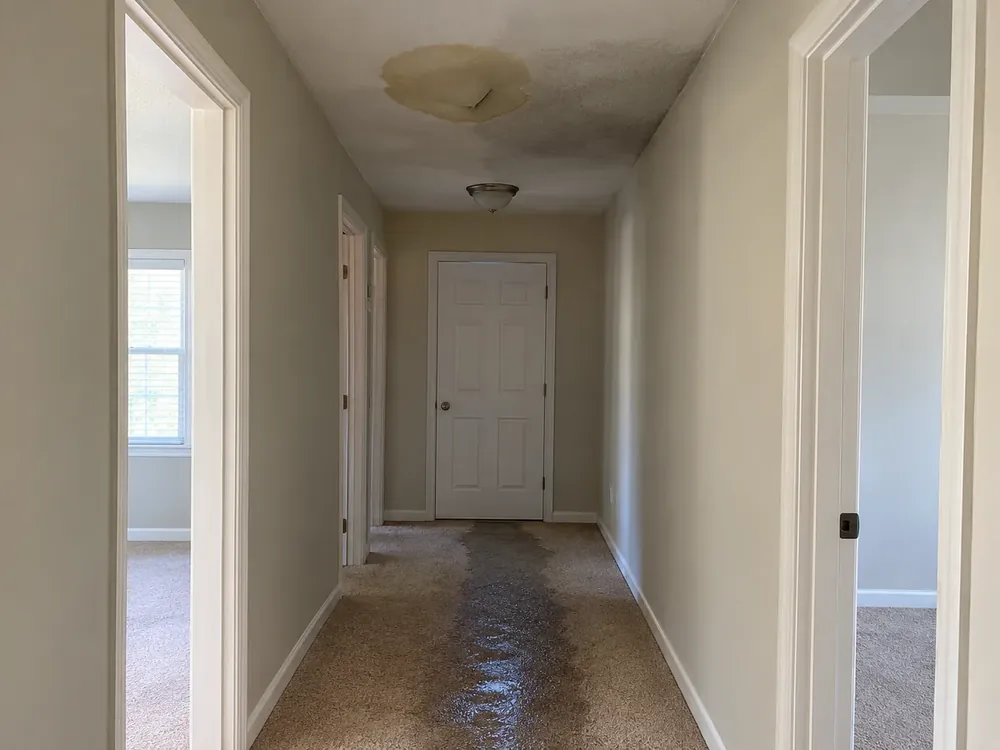
Fire and Water Cleanup Services in Durham
- Standing water. Your technician removes accessible water after entry clearance and assessment of electrical and structural concerns. Extraction includes affected rooms in Durham and Chapel Hill, following the water's route beyond the burned area.
- Wet building materials. Drying addresses walls, floors and ceilings rather than only the surface that looks wet. Moisture readings guide equipment placement and checks during the work.
- Insulation, carpet and padding. Soaked materials are assessed for drying or removal, with damaged layers documented. The scope explains which materials remain and which need replacement.
- Belongings and burned areas. Moving and protecting contents gives access to wet surfaces while keeping work clear of damaged building sections. Photos and a written room list record affected belongings.
- Drying checks. Your technician records moisture conditions before the next cleaning or rebuilding stage proceeds. The handoff identifies remaining soot work and materials a builder needs to replace.
The Call, Assessment and Drying Process
- Call and describe the room that burned, where firefighters used water and what you can see from outside. You don't need to inspect the rooms yourself.
- After the fire department clears entry, your technician assesses burned sections and traces moisture into adjoining rooms and lower floors.
- The proposed work and price are explained for your agreement, including extraction, drying, contents handling and any materials identified for removal.
- Water removal and drying proceed with moisture checks, followed by a walkthrough explaining completed work, remaining cleaning and the repairs left for a builder.
Cost Factors for Fire and Water Restoration in Durham
The spread of hose water beyond the burned room helps determine how much drying the job needs.
- The rooms and floors reached by fire, smoke and water.
- Residue type and debris that complicate access to wet surfaces.
- Building size, age and access to wall cavities or lower spaces.
- Belongings requiring relocation and materials needing replacement.
- Permits associated with later rebuilding.
One of our local fire damage partners explains the planned tasks and their price so you can agree before work begins. Read about other fire restoration cost factors that affect the scope.
Water After Firefighting in Durham and Chapel Hill
North Carolina's Office of State Fire Marshal says home sprinklers use less water than hose lines, so the assessment accounts for how the fire was put out.
For a Durham house with wet ceilings beneath a burned room, drying and later repairs need separate attention. Durham's Small Project Review includes repair applications for existing single-family parcels. Your technician identifies both moisture conditions and remaining building work; call now to describe the fire and the water left behind.
Services for Remaining Smoke and Fire Damage
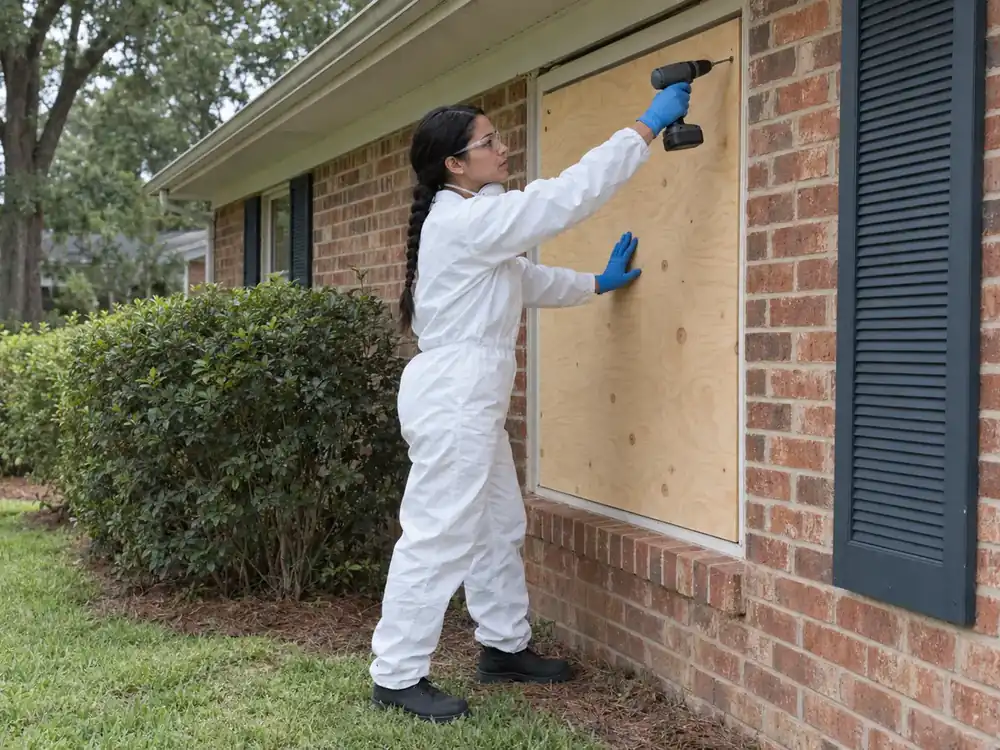
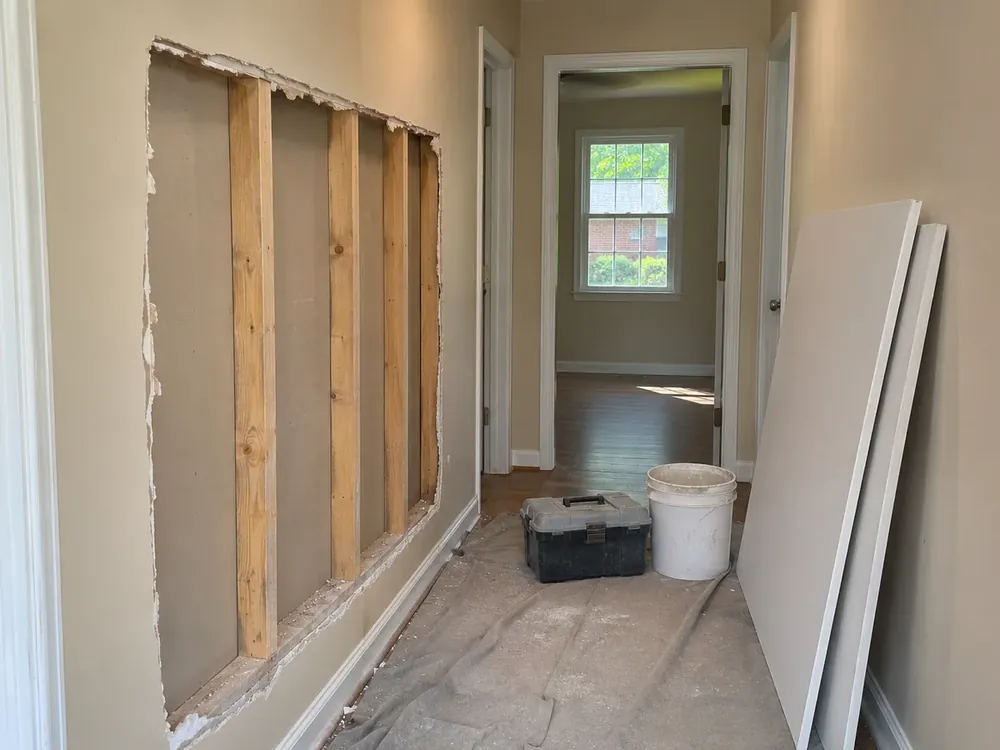
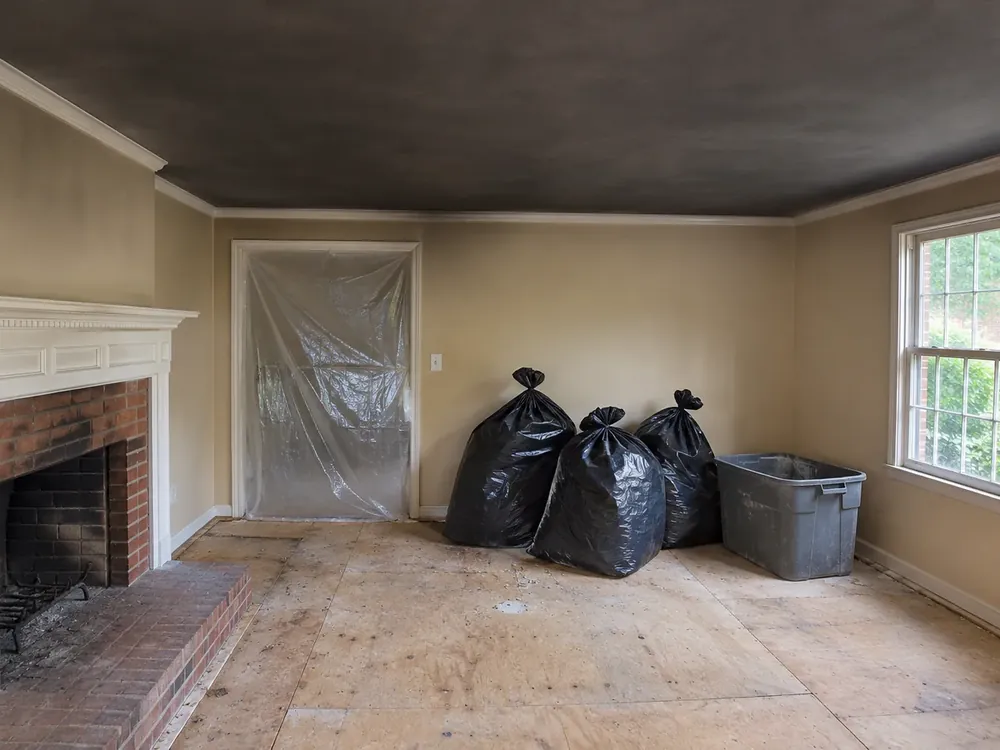
Water and Fire Cleanup Around Durham
Fire and water restoration visits serve Durham and Chapel Hill, with cleanup planned around the burned room and the wet spaces beneath or beside it.
Fire and Water Damage Restoration FAQs
What does restoration cover when a fire also leaves water?
Fire and water damage restoration addresses burned materials, smoke residue and moisture left by firefighting in one work plan. Your technician traces water beyond the room that burned, identifies wet materials and explains the sequence for extraction, drying and cleaning. Building repairs are identified separately so the next stage has a clear scope.
What do restoration companies do about fire and water damage?
Restoration work covers assessing moisture and residue, removing standing water and drying affected materials before the planned cleaning and repair stages proceed. A garage fire may leave both burned storage and water in an adjoining room. Your technician explains which tasks belong to cleanup and which require later building work.
Why would a downstairs room need drying after an upstairs fire?
Water used above can travel through floors, wall openings and stairways into rooms below the flames. Visible soot may stay concentrated upstairs while moisture reaches lower ceilings and flooring. Your technician checks the water's path rather than limiting the work to the room that burned, then explains the affected materials and drying plan.
How does a fire and water damage restoration company check drying?
Moisture readings and the condition of affected materials guide the drying decision. A carpet surface that looks dry doesn't establish the condition of its padding or the floor underneath. Your technician records checks during the work and explains what those findings mean for remaining cleaning, replacement materials and the handoff to a builder.
Can I call when I can only see water from outside?
Yes, an outside description is enough to start the call about water left after a fire. Tell the person answering about the room that burned and whether water is visible at a doorway or exterior steps. Stay outside until the fire department permits entry; your technician assesses the interior once entry has been cleared.
Water below a burned room needs a drying plan; call and describe the damaged area and what is visible outside.
Call (919) 343-0660