
Durham, North Carolina
Soot Removal and Cleaning in Durham, NC
Fireplace soot and powder from a burned heater need cleaning that suits each surface. Our local restoration professionals remove soot from Durham homes; call and describe the damaged area, and your technician will arrange the assessment.
- Calls answered 24/7
- Soot removal
- Serving Durham and nearby
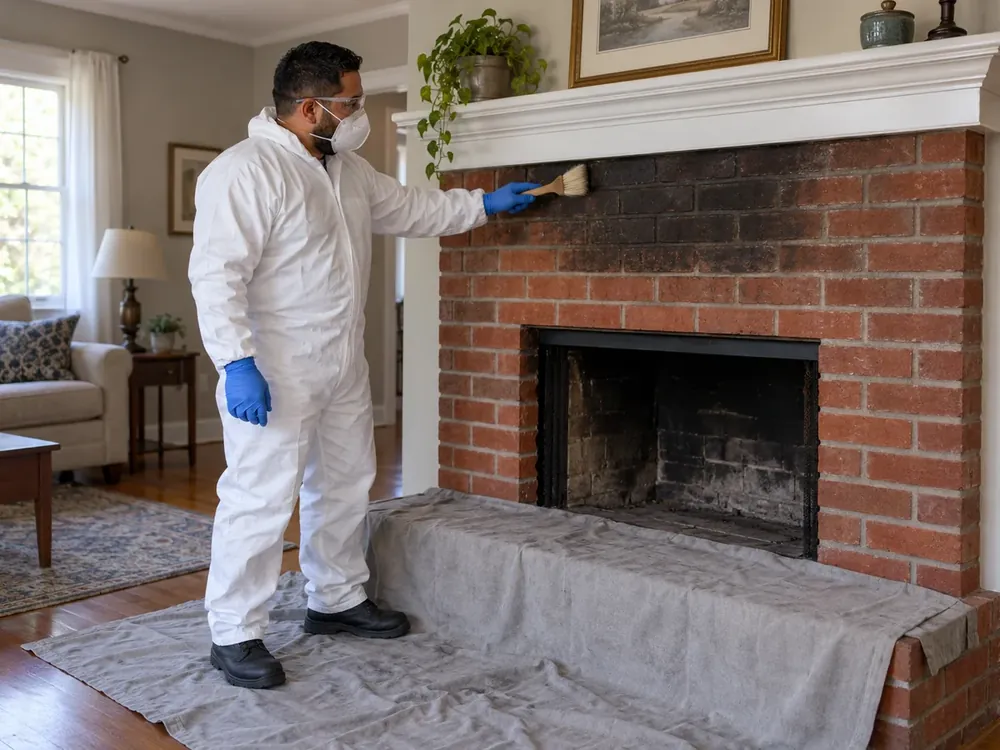
Why Soot Looks Different After Each Kind of Fire
- Fireplace or chimney. A puff of dry soot can spread beyond the brick face to the ceiling and nearby furniture, so your technician checks the room as well as the hearth.
- Space heater or wiring. A fire in one corner can leave powder on trim and a heavier deposit above the damaged area; cleaning depends on the finish and whether burned plastic left an oily film.
- Grill beside the house. Soot on the outside wall needs a method suited to siding or masonry, with an assessment of heat damage around doors and windows.
- Garage beside living space. Burned stored materials can leave mixed residues, so the inspection follows deposits toward connecting doors, adjacent closets and adjoining rooms.
Soot Removal Safety Tips While You Wait
Safety first
Soot cleanup belongs with your technician; call now and use these steps after a house fire while you wait.
- Keep the building closed to entry. Remain outside until the fire department clears entry, following Red Cross fire recovery advice.
- Leave fine dust undisturbed. Don't sweep soot or wipe it dry; AirNow's guidance on ash after wildfires says not to put ash into the air, and children should not help with cleanup or play in ash.
- Leave protective gear and cleaning to professionals. Gloves and respiratory protection are part of the work, not permission for a household tidy-up; AirNow advises a tight-fitting N95-type respirator because cloth masks do not protect against ash.
Signs Your Home Needs Soot Cleaning
- Black or gray powder coats ceiling edges and window sills beyond the corner where a heater burned.
- Dark streaks fan upward from a fireplace opening onto nearby brick or painted walls.
- Soot marks appear inside cabinet openings or closets after smoke traveled away from the original fire.
- A dark film covers light fixtures and ceiling fans above the room that burned.
- Black smears appear on trim or doors that were touched after a garage or electrical fire.
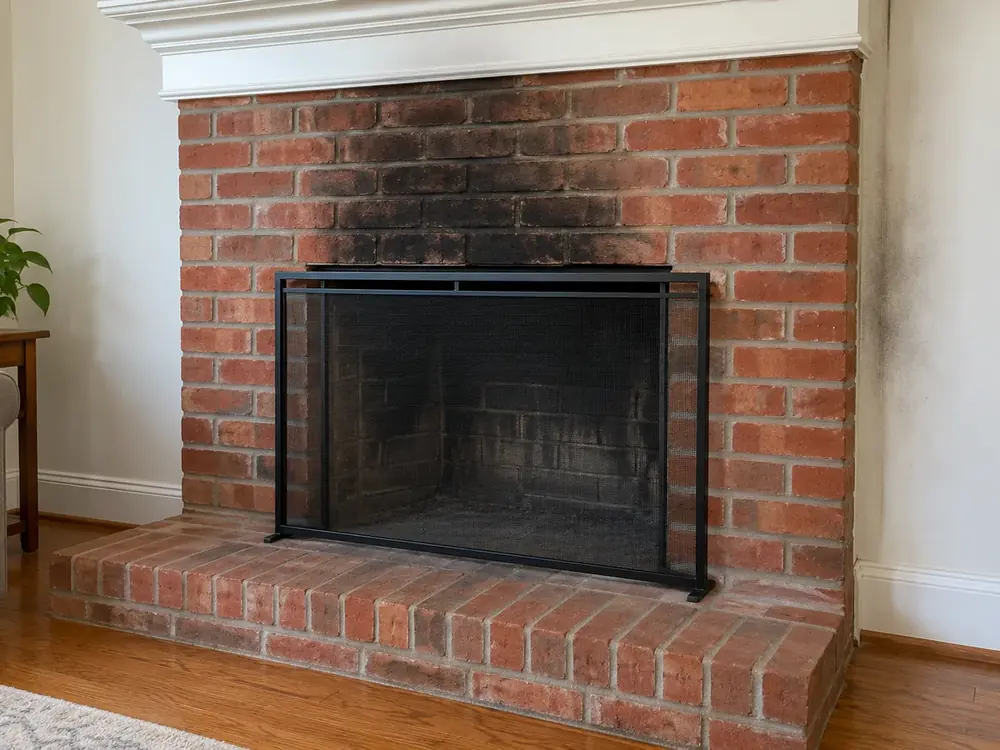
Soot Removal Services for Durham Homes
- Residue assessment. Dry powder and oily deposits need different handling. Your technician identifies the residue and checks a small surface area to select a suitable cleaning method.
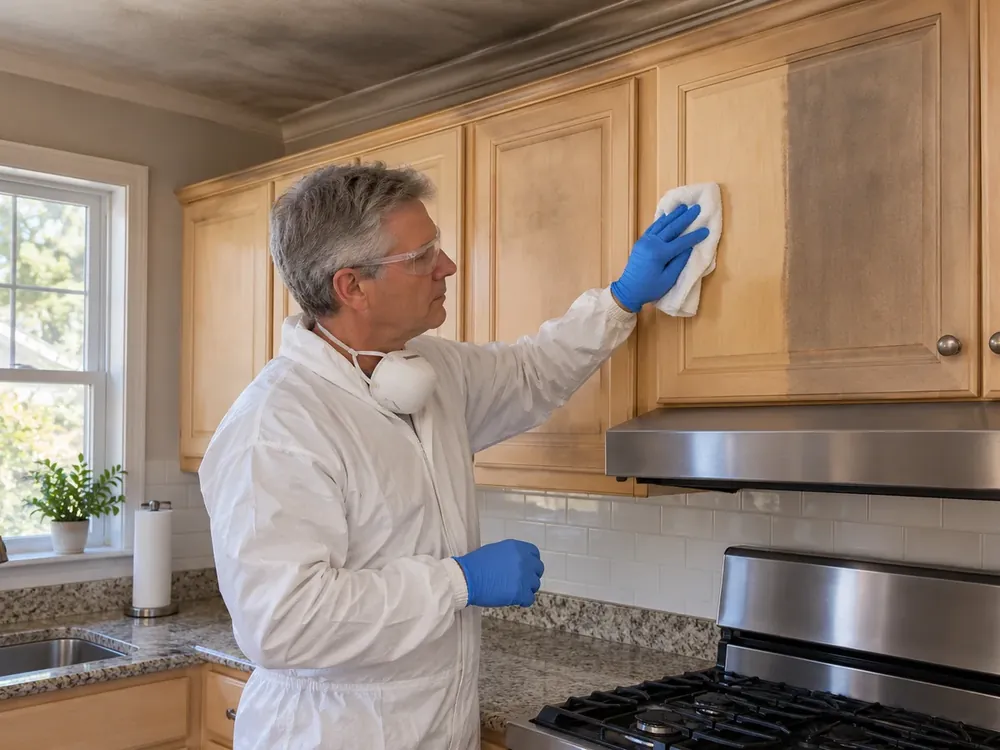
- Walls, ceilings and fixtures. Loose soot is lifted without grinding it into paint, trim, floors or light fixtures. The work follows the deposits beyond the room that burned.
- Cabinets, closets and vents. Soot cleaning services include checking places where settled dust is less obvious. Deposits inside storage spaces and around vent openings are addressed within the agreed scope.
- Fireplace brick and nearby finishes. Room-side deposits from a fireplace or chimney fire are cleaned with attention to masonry and adjacent materials. Chimney repairs are identified separately.
- Cleaning limits. Heat-damaged finishes and materials that cannot be cleaned are recorded for replacement. You receive a clear account of surfaces treated and repairs still needed.
How Soot Cleanup Moves From Call to Completion
- Call about soot cleaning in Durham or Chapel Hill and describe the damaged area, plus anything already visible from outside.
- After fire department clearance, your technician examines the deposits, affected surfaces and nearby belongings to plan the cleaning work.
- The proposed scope and price are explained for your approval before cleaning begins, including any surfaces likely to need replacement.
- Your technician completes the agreed cleaning and explains the results, including any remaining damage that a builder or other repair professional needs to address.
What Affects Soot Cleanup Costs in Durham
Soot cleanup costs depend on the deposits and the surfaces they reached.
- The number of rooms affected by soot, smoke and hose water.
- Powdery residue versus oily film, plus loose debris that needs handling.
- High ceilings, tight access, and the home's size, age and finishes.
- Belongings needing separate treatment and materials requiring replacement.
- Separate rebuilding work and any permit requirements that apply to those repairs.
One of our local fire damage partners explains the planned cleaning and its price before you authorize work. Read about smoke and soot cleanup cost factors for more detail.
Fireplace Soot Cleanup Around Durham and Chapel Hill
Fireplace soot cleanup in Durham and Chapel Hill starts with the deposits inside the room and the condition of affected surfaces.
- Soot beyond the hearth. For Durham and Chapel Hill households, the Red Cross describes soot cleanup on walls, furniture and floors, so the assessment includes more than the fireplace face.
- The chimney needs separate attention. Room cleaning does not replace a chimney assessment.
- Children and pets need distance from residue. Triangle households can use AirNow's guidance on ash after wildfires, which says children should not help with cleanup or play in ash.
More Cleanup for Fire Residue
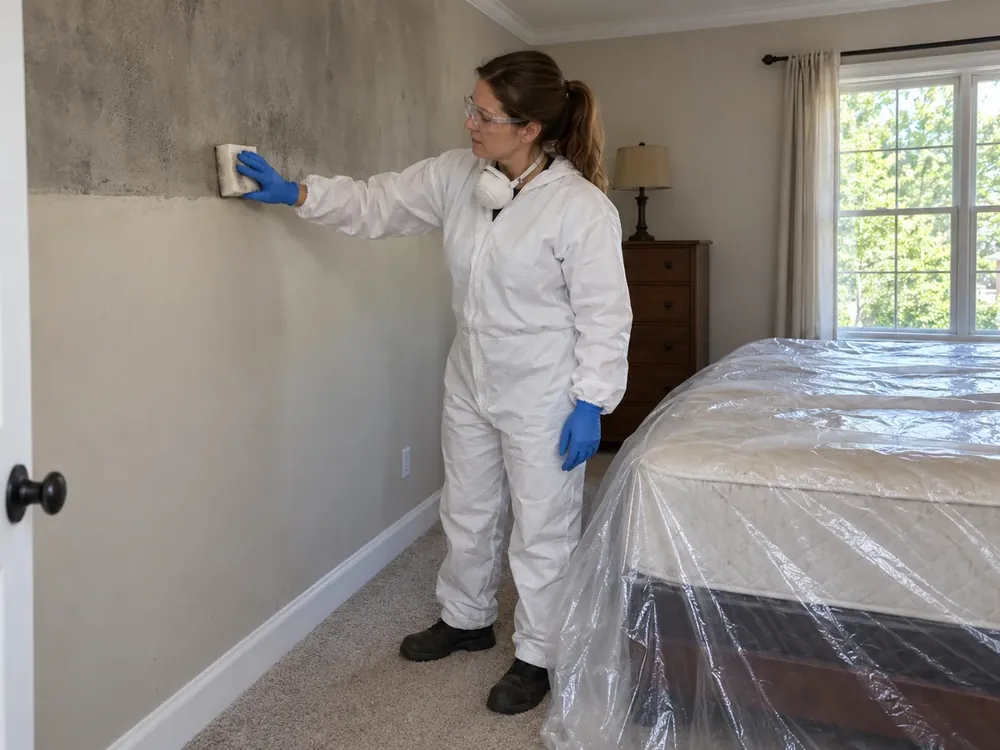
Soot Cleaning Across Durham and Chapel Hill
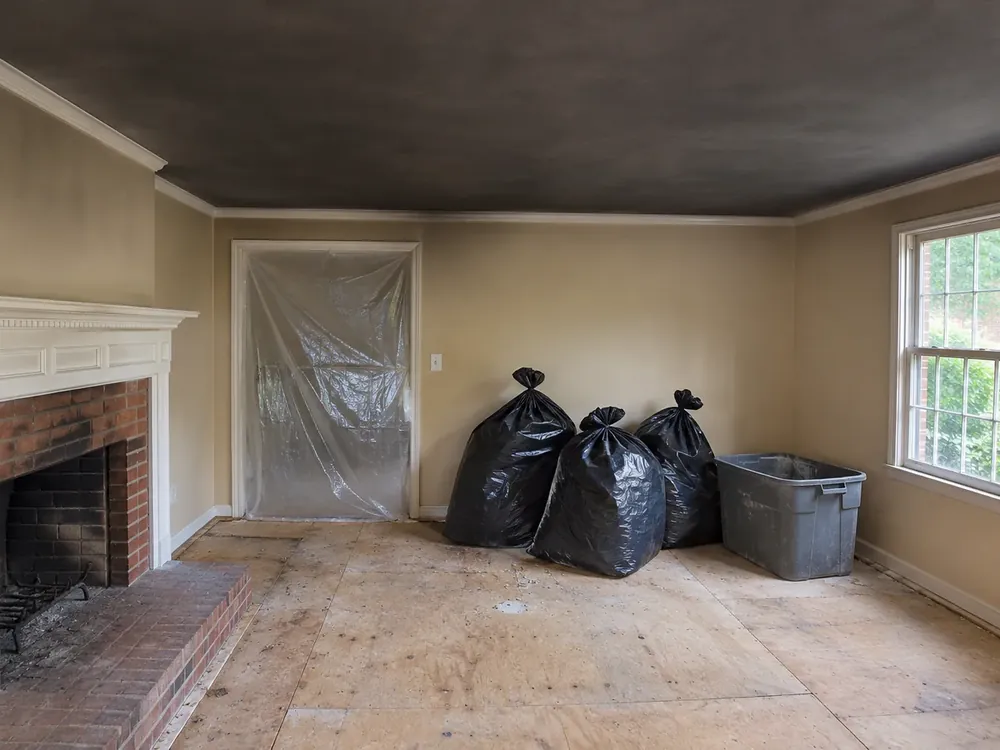
Local restoration professionals handle soot deposits in Durham and Chapel Hill, from a fireplace surround to adjoining rooms where smoke carried black dust.
Soot Removal and Cleaning FAQs
What does professional soot cleaning remove?
Professional soot cleaning removes settled fire residue from surfaces and belongings that can withstand treatment. Fireplace powder, electrical-fire deposits and greasy films call for different methods. Your technician checks the material under the residue, chooses a suitable approach and explains where heat damage means cleaning alone will not be enough.
Does a soot removal company clean brick as well as painted walls?
Brick and painted walls can both be included, with cleaning selected for each material. A fireplace face may need different treatment from the ceiling above it. Your technician assesses the deposits and surface condition before work, then explains which marks are removable and which damaged finishes need repair.
Why does rubbing soot leave a wider mark?
Rubbing can spread loose soot and press residue into a surface instead of lifting it away. The result depends on whether the deposit is dry powder or an oily film and on the finish underneath. Leave existing marks untouched and describe them during the call so your technician can assess them.
Can I call about emergency soot removal after a heater fire?
Calls are answered 24/7 for soot left by a heater fire or another household fire. You can describe the damaged area and anything visible without entering the building. For flames or heavy smoke, leave and call 911; the cleaning assessment follows the fire department's clearance for entry.
Can soot be cleaned from rooms away from the fire?
Soot in adjoining rooms can be assessed and cleaned when the affected materials are suitable for treatment. A garage fire may leave deposits near connecting doors, while fireplace smoke can mark ceilings farther away. The inspection follows visible residue into affected spaces rather than stopping at the room that burned.
Black dust beyond the fireplace or heater corner needs an assessment; call and describe the soot already visible from outside.
Call (919) 343-0660