
The short answer
- Kitchen grease, dry soot and water from hoses affect which house fire cleanup methods your technician selects.
- Fire department clearance controls entry, so households stay outside while arranging a place to stay and calling for help.
- The condition of walls, floors and belongings determines the cleaning scope and the repairs a builder will handle afterward.
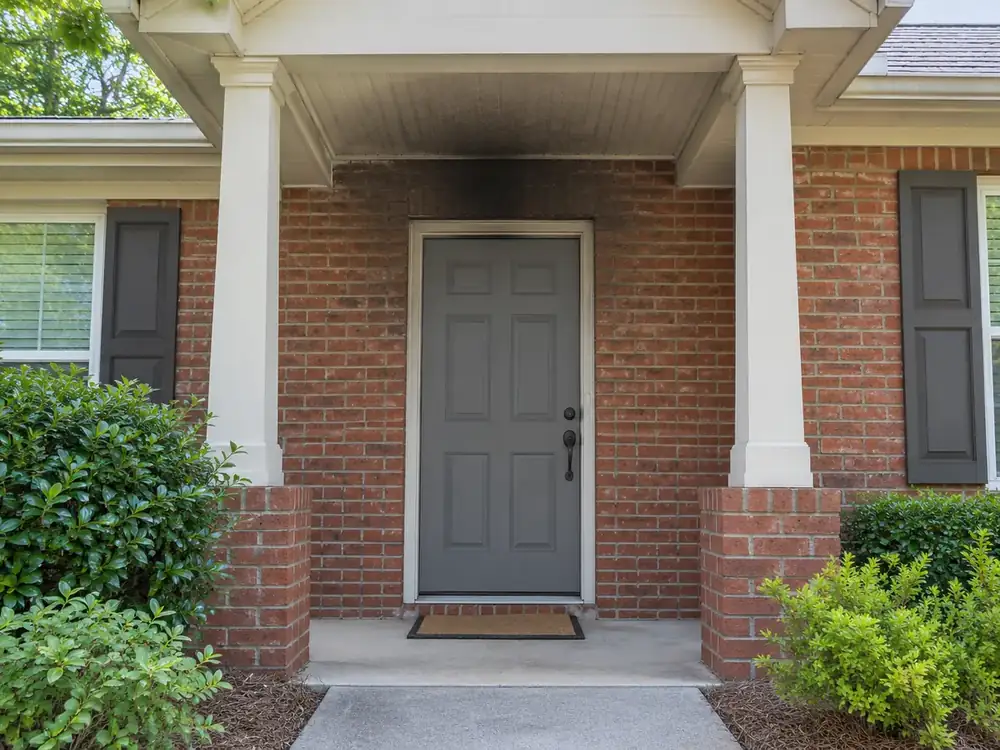
The First Hours After Kitchen Smoke or Fire Damage
Kitchen soot, scorched wiring and water from hoses call for professional assessment, with fire department clearance controlling entry. If flames, heat or heavy smoke remain, or anyone is hurt, leave and call 911. Cleanup arrangements can start by phone while the household stays outside.
Fire Department Clearance Comes First
Stay outside until the fire department says the building is safe to enter. The American Red Cross recovery page tells residents to wait for local fire authorities' clearance. Don't go back for documents, belongings or a pet, even briefly. Tell firefighters about anyone or any animal still inside.
A gas smell means leaving the area and calling 911 and the relevant utility from a safe location. If Piedmont Natural Gas is your gas provider, its safety reminder says to call Piedmont at 800.752.7504 or call 911 from a neighbor's house or somewhere away from the smell of gas, and not to return until a Piedmont technician or emergency responder says the area is safe. Assume a downed line is live, keep away from it, and report it to 911 and the electric utility. Leave utility controls and reconnection to professionals.
A Place to Stay and People to Notify
An undamaged place with relatives, friends or temporary lodging gives the household somewhere to stay while the home's condition is assessed. Contact the Red Cross if you need help with immediate needs.
Let close family know where everyone is staying. Renters can notify the landlord or property manager by phone. Tell your employer or children's school about practical changes that affect the next few days. Give the restoration contact your address, the room that burned and anything visible from outside. You don't need a complete damage list to call.
Food, Medicine and Belongings Need Separate Decisions
Food and medicine exposed to fire conditions need disposal, while documents and other belongings need a separate assessment. The Red Cross household-item advice says to discard food, drinks and medicine exposed to heat, smoke or soot. Open food near the fire belongs among the items marked for disposal; don't enter to collect it.
| Item or need | Next step without entering |
|---|---|
| Food near the fire | Arrange replacement food and tell your technician about affected cupboards. |
| Medicine left inside | Contact your pharmacist or prescriber about replacement needs. |
| Missing documents | List the documents from memory and contact the issuing organizations. |
| Furniture and clothing | Describe the rooms involved so your technician can assess cleaning or pack-out. |
Replace lost identification and other essential documents when you are able. Do not use appliances or electronics that were hot or wet until a professional checks them; the Red Cross's home-checking advice includes checking appliances for water damage before use.
Photos and Room Lists Stay Outside the Cleanup Work
Photos taken from outside and a room list written from memory give you a record without handling damaged materials. Photograph only what is visible from a safe outdoor position. Write down furniture, clothing, appliances and important belongings by room for your own records. Leave gaps where details are uncertain; a complete inventory isn't a condition for arranging help.
Openings, Soot and Water Shape the Cleanup Visit
Broken windows, exposed roof sections and wet rooms are assessed by your technician after clearance. Describe visible openings during the call so securing the property becomes part of the discussion. Professionals handle boarding, tarping, debris and drying; households leave damaged roofs and materials alone.
Cleaning after fire smoke damage involves assessing residue and affected surfaces, followed by suitable cleaning and odor treatment. One of our local fire damage partners will explain the proposed work and price before starting. The restoration professional handles the cleanup, and a builder handles the rebuild. Read about the restoration stages for the handoff between those jobs.