
Durham, North Carolina
Commercial Fire Damage Restoration in Durham, NC
Our local restoration professionals clean soot, address smoke odor and dry sprinkler water after commercial fires in Durham. Call about the kitchen, electrical room or tenant space that burned, and a local professional will take the next steps with you.
- Calls answered 24/7
- Shops, offices and apartments
- Serving Durham and nearby
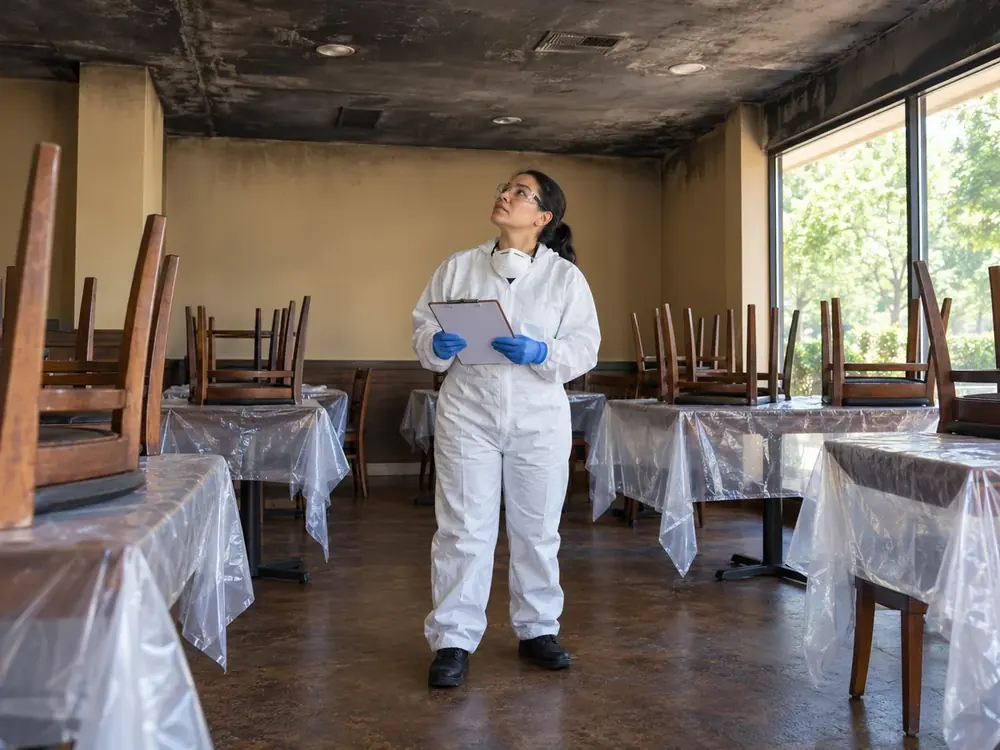
What Commercial Fires Leave Behind Around Durham
- Restaurant hood or fryer: Grease smoke leaves a sticky film on kitchen surfaces and carries odor into dining areas. Restaurant fire cleanup follows the residue beyond the cooking line.
- Electrical room or panel: Burned wiring and nearby materials leave soot on walls, ceilings and equipment. Your technician checks how far the residue spread outside the room that burned.
- Dryer or laundry room: A laundry fire in an apartment building leaves smoke residue around machines and in adjoining spaces. Hose water adds a separate drying task.
- Storage area or loading dock: Burned packaging leaves debris among stock, while smoke reaches shelving and overhead surfaces. The visit separates removal needs from items assessed for cleaning.
- Heating unit: A fire near heating equipment leaves soot around the unit and potentially along connected air paths. The cleanup plan follows those deposits through the affected building.
Keeping People Outside After a Commercial Fire
Safety first
Fire-department clearance governs re-entry; keep staff and tenants outside, including anyone wanting stock or records, following the Red Cross's direction to await fire authorities.
Durham City-County Building & Safety lists a partial occupancy permit that applies to commercial projects only, for phased occupancy approvals before the Certificate of Compliance.
Leave alarm and sprinkler resets to the appropriate system trade after fire-department clearance.
For flames, heat, heavy smoke or another sign of fire, leave and call 911, consistent with the Red Cross's immediate fire guidance.
Call about restoration from outside; nobody needs to retrieve anything to start the conversation.
Commercial Properties Served Around Durham
- Restaurants and bars: A fryer fire leaves grease film above cooking surfaces and smoke odor across seating areas, with water beneath equipment.
- Offices: An electrical fire sends soot above ceiling tiles and leaves smoke odor in files, furnishings and adjoining work areas.
- Retail stores: A stockroom fire leaves burned cartons, smoke-marked shelving and goods that need individual assessment for cleaning or removal.
- Warehouses: Burning packaging leaves soot over racks and stock, while sprinkler water reaches pallets and the flooring beneath stored goods.
- Apartment communities: A laundry or unit fire leaves residue in neighboring rooms and shared corridors, adding several access points to the work plan.
- Schools and churches: A heating-unit fire leaves deposits in gathering spaces and connecting hallways, with contents requiring separate handling during cleanup.
- Medical offices, hotels and motels: Smoke from equipment or laundry spaces reaches furnishings and enclosed rooms, where the visit checks surfaces and contents.
Residue and Damage Across Commercial Spaces
- Soot above the ceiling: An electrical-room fire sends deposits into ceiling voids and connected ducts. Commercial smoke damage cleanup includes checking those routes rather than stopping at visible walls.
- Grease through the dining room: A hood fire leaves film on finishes beyond the kitchen. Your technician tests cleaning methods against the residue and surface.
- Smoke-scented stock and files: A storage fire affects goods that never burned. Items are assessed for cleaning, removal or pack-out, including equipment and business records.
- Water below the room that burned: Sprinklers and hoses leave wet floors and materials in adjoining tenant spaces. Moisture checks guide extraction and drying.
- Open storefronts: Broken glass and damaged doors leave openings after a fire. Board-up work secures the affected opening while the repair scope takes shape.
- Closed or adjoining spaces: Tenant space smoke damage requires a room-by-room assessment. Nobody re-enters until the fire department allows it; phased cleanup planning respects that restriction.
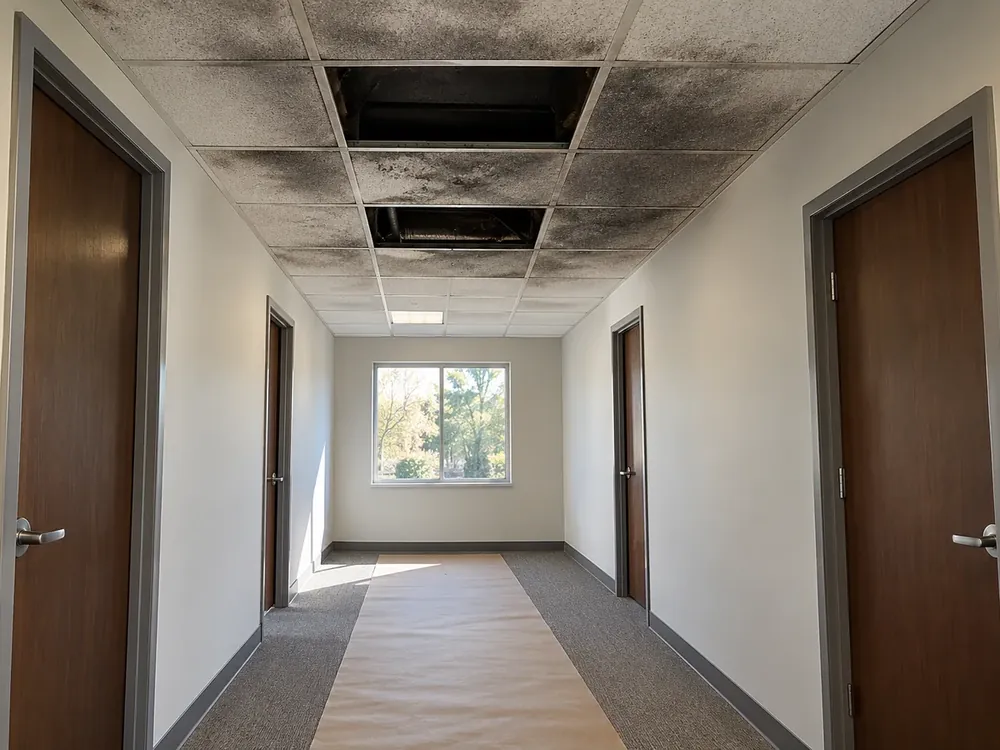
Securing the Building and Planning Occupancy
The damage pattern determines how the property is secured, cleared and prepared for later use.
| Option | When it fits | What it involves |
|---|---|---|
| Secure the building and board up openings | Fire damage or broken glass leaves a door or storefront open. | Temporary boarding protects the opening while permanent repairs are planned. |
| Clean and restore in phases | Separate areas have different cleanup needs. | Work zones, drying and cleaning follow a sequence from one area to the next. |
| Pack out stock, equipment and records | Contents need off-site assessment or obstruct work in affected rooms. | Your technician explains which items move off site for cleaning assessment and storage. |
| Close the space and hand it to a builder | Extensive damage requires a larger rebuild after cleanup. | Removal and drying prepare the space, and your technician explains the remaining construction work for a builder. |
Your technician decides on site which option fits, and the fire department decides when anyone may go back in.
How a Commercial Cleanup Call Works
- Call and describe the building and what you can see from outside. Mention affected tenant spaces or stock without going inside.
- A local restoration professional takes over the cleanup planning. You can explain access arrangements, tenants and the parts of the business affected during that conversation.
- After fire-department clearance, your technician examines fire residue, smoke paths and water. The plan addresses tenants and reopening needs, with the scope and price explained before work begins.
- Cleanup proceeds through the agreed work areas. Your technician explains the completed tasks and the repairs left for a builder.
Notes Owners and Managers Can Keep
Owners and managers can keep their own dated notes of what the fire left and what was done.
- Keep photos taken from outside or from a doorway already cleared for access that show visible damage after the fire.
- Keep a room-by-room list of the items you see cleaned, removed or packed out, with where they went when moved.
- Keep receipts for cleanup-related spending and storage charges with your own dated notes of what was done after the fire.
Keep the notes together for your own use, including any later additions to the agreed scope.
What Affects Commercial Fire Cleanup Costs in Durham
Kitchen grease and water beneath tenant floors create different work requirements.
- The rooms, ceiling spaces and floors reached by fire, smoke and water determine the cleanup area.
- Dry soot, greasy film, debris and affected stock determine handling and removal needs.
- Boarding openings, restricted access and work around tenants add separate tasks.
- Pack-out volume, off-site cleaning and storage change the contents portion of the job.
- Rebuilding adds construction and any required permit work to the overall project.
One of our local fire damage partners explains the proposed tasks and their price with you before you authorize work. Read about the factors behind fire damage restoration cost for a closer look at how the scope develops.
Why Business Owners Call This Number
- Calls answered 24/7: A property manager can call about soot in a tenant space or wet stock at any hour and describe the building.
- A direct next step: Durham NC Fire Damage connects the call to a local restoration professional who does the work and explains scheduling.
- The damaged area shapes the plan: A kitchen hood, laundry room or storage area gives the conversation a practical basis for commercial fire damage cleanup.
- Scope and price first: The professional explains the proposed cleanup and its price before work starts, including separate contents or securing tasks.
- Repairs sorted out: Fire damage restoration for businesses separates the cleanup from the rebuilding, and your technician explains which tasks are left for a builder.
Cleanup for the House You Own Too
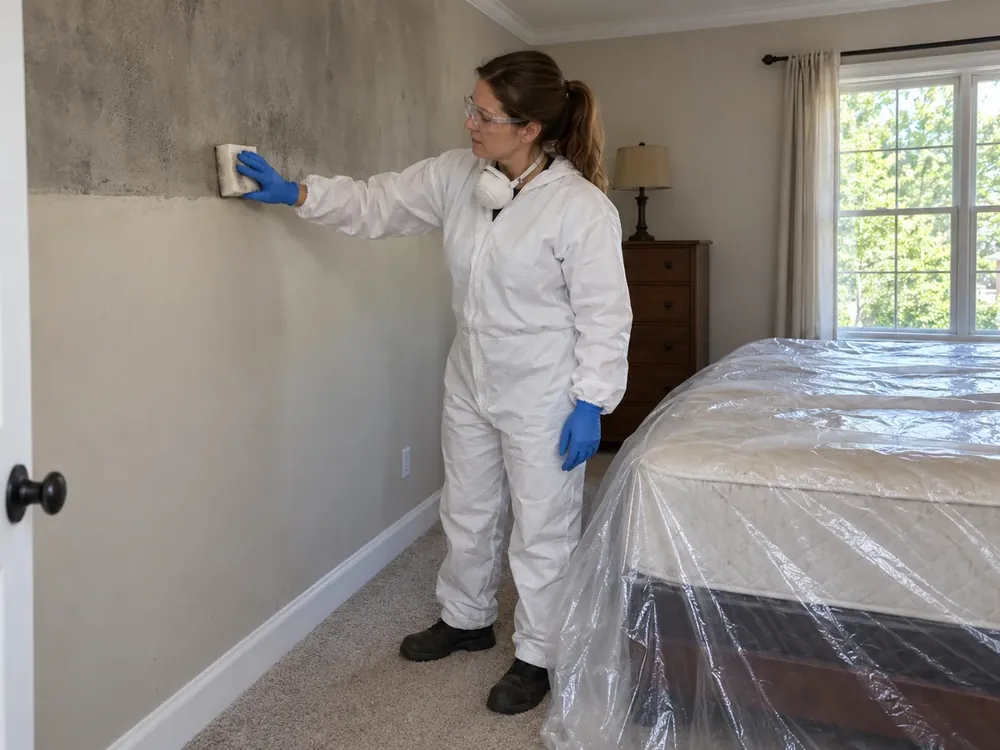
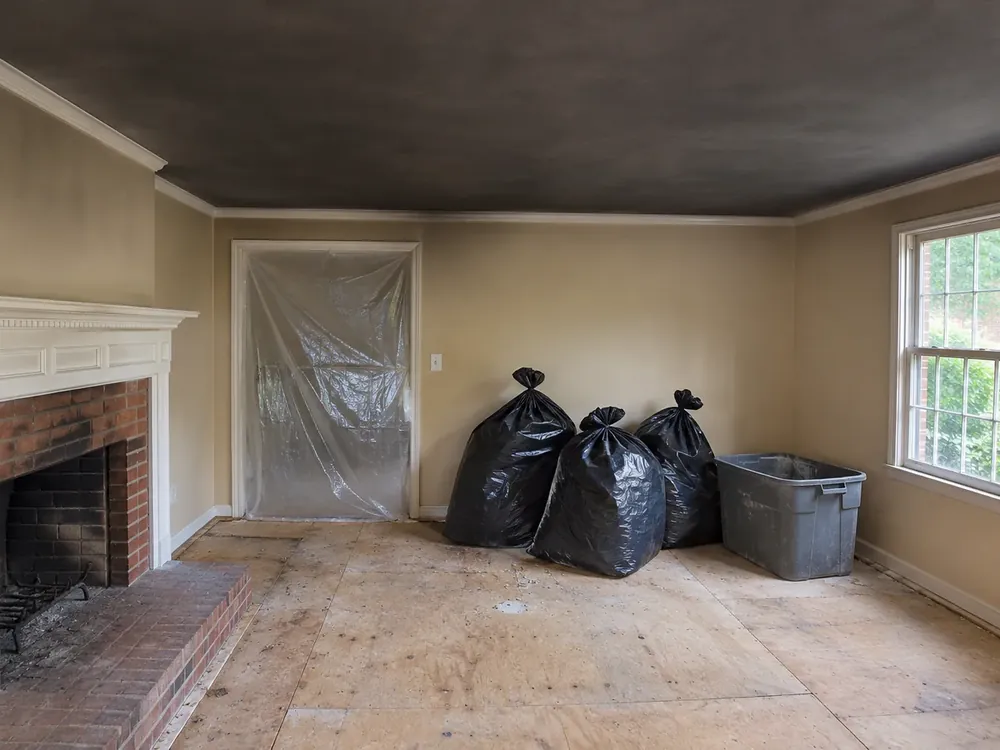
Kitchen soot, fireplace smoke and lingering odor at home also belong in the same call when a property manager or business owner needs household cleanup.
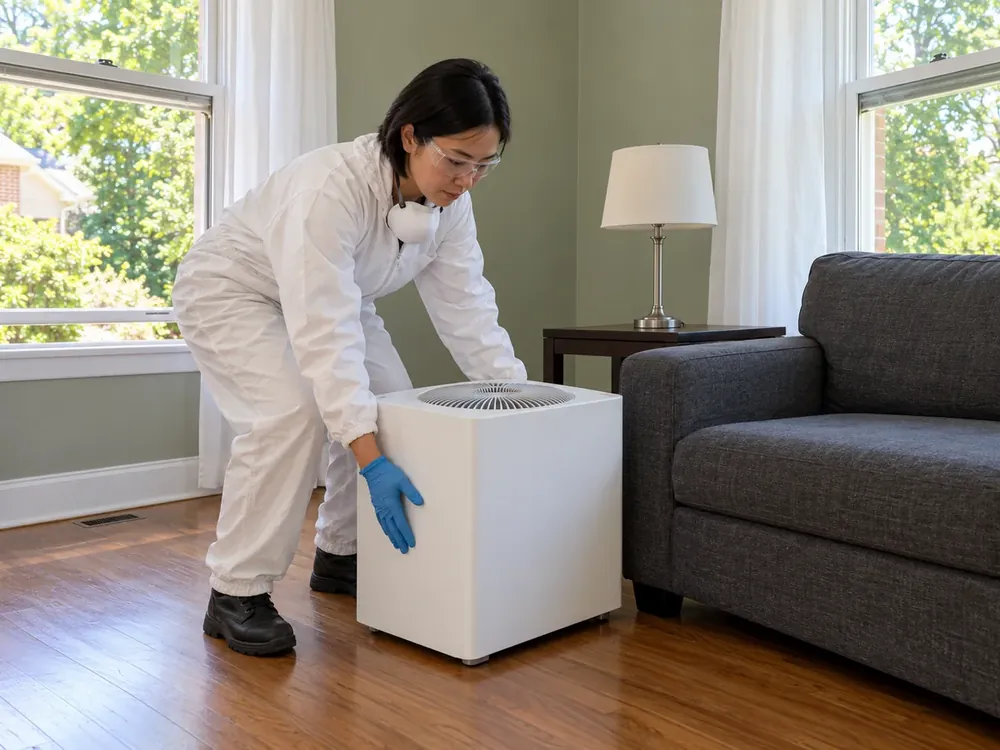
Business Fire Cleanup Around Durham and Chapel Hill
Commercial restoration serves properties around Durham and Chapel Hill, with cleanup plans for business owners, landlords and managers handling smoke, soot and sprinkler water.
Commercial Fire Damage Restoration FAQs
Does this fire restoration line take business calls as well as home calls?
Yes, the same line connects business and household callers with a local restoration professional. If you need a fire restoration business to assess a shop, office or tenant space, call and describe the damaged area. The conversation covers the building, the residue and the work needed after fire-department clearance.
Which kinds of commercial property does the cleanup cover?
Commercial cleanup covers restaurants, shops, offices, warehouses, apartment communities, churches, schools, medical offices, hotels and motels. The job follows the spread of the fire within each property. A fire and water restoration business assesses both smoke residue and water left by sprinklers or hoses, including effects on contents and adjoining spaces.
Who allows employees or tenants back into a fire-damaged building?
The fire department decides when employees or tenants may re-enter. A clean-looking room does not settle that decision. Keep people outside while the cleanup plan develops, and describe affected rooms during the call; nobody needs to fetch records or inspect stock to request restoration.
How are smoke-affected stock, equipment and records handled?
Your technician assesses stock, equipment and records for cleaning, pack-out or removal according to their condition. Smoke odor alone does not establish whether an item can be restored, and cleaning a piece of equipment does not establish that it operates correctly.
What should a property manager keep from the cleanup?
For property manager fire damage cleanup, keep a room-by-room list, photos taken from outside or from a cleared doorway, and receipts. Add notes on contents moved off site and repairs still needed. Those notes give the owner a practical account of what was handled, where items went and which tasks remain.
What changes the cost of restoring a commercial space after fire?
The affected area, residue, water, contents and access conditions shape the commercial cleanup cost. A kitchen fire with grease across several rooms creates a different scope from dry soot confined to one office. Boarding, pack-out, storage, work around tenants and rebuilding requirements add tasks that your technician explains before work starts.
Grease smoke across the dining room or water in tenant spaces needs a cleanup plan; call now to get started.
Call (919) 343-0660