
The short answer
- Kitchen soot mixed with greasy film needs treatment selected for both the deposit and the wall finish.
- A professional dry cleaning sponge can lift suitable loose residue without adding water to an absorbent surface.
- Heat damage, weakened paint or deeply affected wall material may make replacement more appropriate than further cleaning.
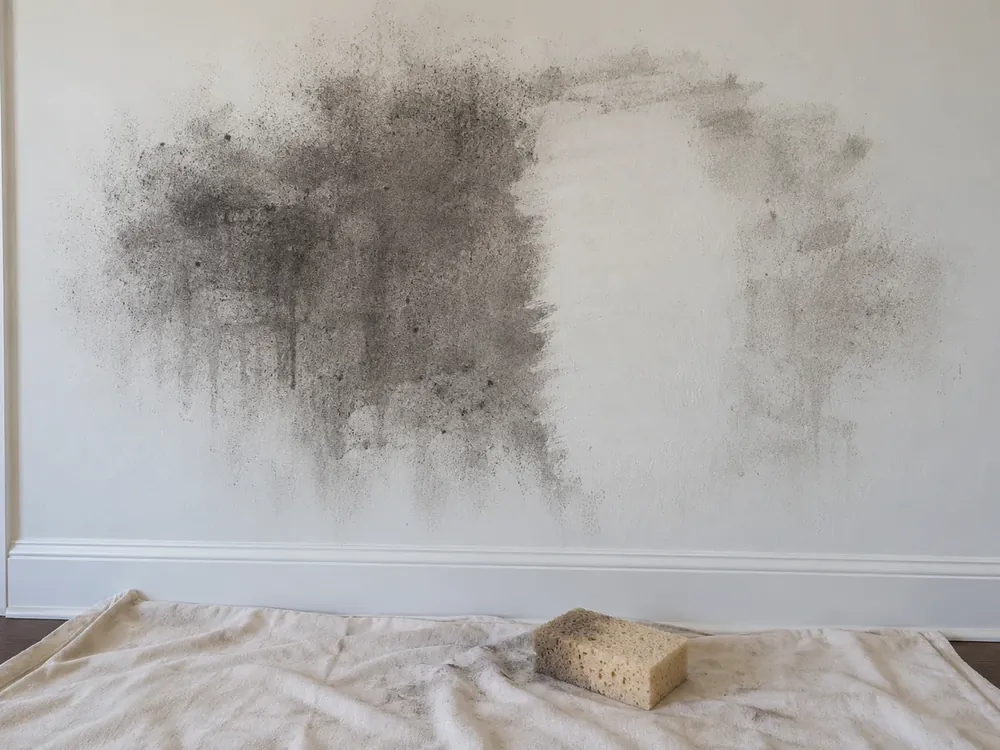
How Residue and Wall Finishes Change Soot Cleaning
Dry soot on a painted hallway wall needs a different approach from greasy residue above a stove. The useful distinction is what settled on the surface and how that surface responds to treatment. Black marks alone don't identify the right method.
Sooty Rooms Stay Clear Until Professional Assessment
Cleaning waits until the fire department clears the building for entry. The American Red Cross advises remaining outside until fire authorities permit reentry. Keep out of sooty rooms afterward while the cleanup is assessed. Avoid breathing disturbed dust, don't sweep deposits dry, and leave soot-covered belongings where they are for your technician.
Flames, heat, heavy smoke or anyone hurt require leaving and calling 911; the Red Cross's fire response advice prioritizes getting out and summoning help. No possessions or pets justify an early return.
Dry Deposits Can Smear Under Water or Pressure
Loose soot can turn into a broader stain when water carries particles into an absorbent finish. Hard rubbing can press residue into paint or spread greasy material across a larger patch. A wall that looks lightly marked may therefore need careful professional testing.
A soot removal sponge is a dry cleaning tool with a porous material that picks up suitable loose deposits. Professionals use one when the residue and finish suit that method. It isn't a wet household sponge, and it doesn't resolve every kind of smoke residue. Sticky kitchen film may need a different treatment chosen after a surface test.
Finding a soot cleaning sponge near you doesn't establish whether the wall finish will tolerate the treatment. Leave testing and cleaning to your technician rather than experimenting on a visible patch.
Fireplace Brick and Painted Walls Hold Residue Differently
Fireplace brick has pores and joints that can hold soot, while a painted wall presents a coating that may soften, stain or lose its finish. Soot removal from brick requires attention to masonry condition as well as the deposit. Neither surface should be treated as a harder version of the other.
| Surface or residue | What the professional considers |
|---|---|
| Dry film on sound paint | Whether deposits lift without harming the finish |
| Greasy soot above a range | Treatment that addresses oily residue without spreading it |
| Rough fireplace brick | Residue within the texture and condition of mortar joints |
| Blistered paint or charred wall material | Whether the damaged material needs replacement |
Fireplace deposits may have built up during use, whereas a painted wall marked after a room fire may carry residue from several burned materials. Your technician examines the location and extent rather than assuming every black deposit has the same origin.
Damaged Wall Material May Need Replacement
Heat-weakened coatings, charred material and residue that cannot be adequately removed may put a surface beyond cleaning. Soot removal products cannot rebuild damaged wall material. Painting over remaining deposits also leaves the cleaning problem underneath. Water damage adds another consideration: the Red Cross's cleanup guidance recommends professional advice about replacing drywall and insulation soaked by fire hoses.
One of our local restoration partners will separate proposed cleaning from repair work and discuss the price before either starts. Call to describe the fire source and visible marks; photographs taken from outside can support the conversation without entering the building. Read about soot removal and cleaning for the service scope.
Damaged Contents and Utilities Need Separate Attention
Soot-covered possessions stay undisturbed for professional assessment, and hot or wet appliances and electronics remain unused until professionally checked. The Red Cross advises checking appliances for water damage before use. Discard open food near the fire and anything exposed to heat, smoke or soot, following Red Cross food advice.
If you smell gas, leave right away and call 911 and your gas company from somewhere away from the smell, and stay out until they say the area is clear. Keep away from a downed line, assume it is live, and report it to 911 and the electric utility. Leave power and gas restoration to the appropriate professionals.