
The short answer
- Kitchen grease, dry soot and hose water require different cleanup methods, so the residue changes the work involved.
- The number of affected rooms, contents needing pack-out and debris needing removal determine the size of the cleanup.
- Openings needing protection, access restrictions and later builder repairs add distinct tasks to the overall restoration scope.
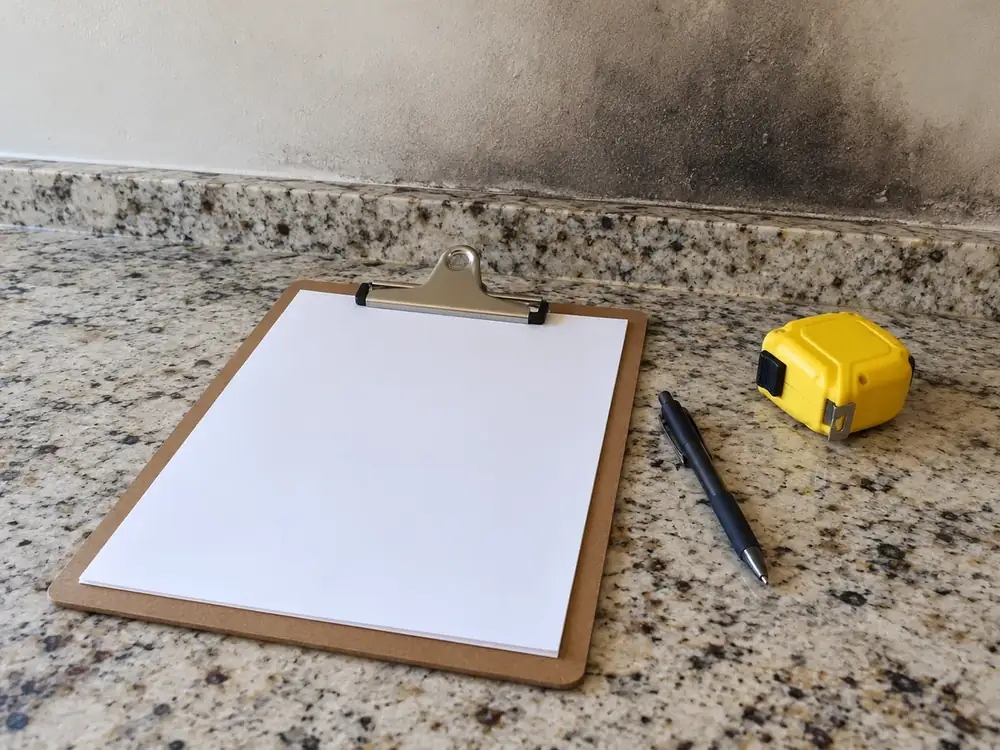
The Damage Pattern Determines the Work
The room that burned and the spread of residue determine the work behind the price. A site visit separates burned materials, cleanable surfaces, wet areas and contents into specific tasks. Call about what happened now; you do not need measurements, photos or a completed inventory to request an assessment.
Kitchen Residue and Attic Damage Create Different Scopes
A small kitchen fire involves a different scope from a fire that reaches the attic because the affected materials and access differ. Grease may coat cabinets, nearby walls and furnishings beyond the cooking area. Kitchen fire damage cost depends on that spread, the finishes involved and any water beneath the visible surfaces.
A fire reaching the attic adds overhead access, affected insulation and possible roof or framing repairs. An electrical fire near a wall, a space heater beside furnishings, fireplace smoke, a grill fire reaching siding or a garage fire among stored goods each leaves a different combination of residue and damaged materials. The visit traces those effects room by room.
Soot, Grease and Water Require Separate Tasks
Dry soot, greasy film and wet materials change the cleaning and drying work. Your technician checks the residue against the surface and assesses what can be cleaned. Water from hoses may reach rooms without visible fire damage, so the drying scope follows moisture as well as soot.
| Factor | What the visit establishes | Why it changes the scope |
|---|---|---|
| Rooms affected | Where smoke, soot and water traveled | More surfaces and materials need attention |
| Residue | Dry deposits, grease film or a mixture | Cleaning methods differ by surface and residue |
| Wet materials | Where moisture remains after suppression | Extraction and drying become separate tasks |
| Debris and contents | Removal volume and items assessed for pack-out | Handling, transport and storage add work |
The fire clean up cost also changes when access is limited or ceilings are difficult to reach. House size provides context, but the actual affected area matters more than the total floor area alone.
Debris, Pack-Out and Temporary Protection Add Work
Burned furnishings and damaged building materials add handling, hauling and disposal to the scope. House fire debris removal cost reflects the amount removed and the route out of the property. Belongings needing off-site assessment add packing, transport and storage instead of disappearing into a general cleaning line.
Broken windows or roof openings add boarding or tarping tasks. The written scope should identify those temporary measures separately from permanent repairs. For more on the cleanup itself, see fire damage cleanup.
Rebuilding and Permits Affect the Overall Project
Damaged framing, finishes and building systems add builder work after cleanup and drying. The house's age matters when existing materials and construction details affect access or replacement work. Age alone does not determine fire damage repair cost.
In Durham, City-County Building & Safety requires building permits for load-bearing work, and its application page says permitted work must await permit issuance. Your builder accounts for the applicable approvals as part of rebuilding; a restoration call can start now.
The Site Visit Establishes the Price
The building must be assessed to establish which cleaning, removal, drying and repair tasks belong in the scope. Photos may show a dark wall but miss wet materials or residue above a ceiling. One of our local fire damage partners reviews the proposed work and price with you before the job begins.
Stay Outside While Cleanup Is Planned
Fire-department clearance comes before entry, as the American Red Cross's recovery steps explain; do not go inside for belongings, documents or pets.
Leave and call 911 for flames, heat, heavy smoke or an injury, following the Red Cross's immediate fire guidance. If Enbridge Gas North Carolina is your gas provider, from a safe place call 911 and Enbridge at 877-776-2427.
If Duke Energy is your electric provider, its power-line safety page says to treat a downed line as live, stay at least 30 feet back, and report the hazard to Duke Energy or local emergency services. Leave heat- or water-affected appliances and electronics unused pending professional assessment; the Red Cross calls for checking appliances for water damage before use.
For later disposal planning, the Red Cross says to discard food exposed to heat, smoke or soot. Nobody needs to enter or handle damaged materials to arrange cleanup.